
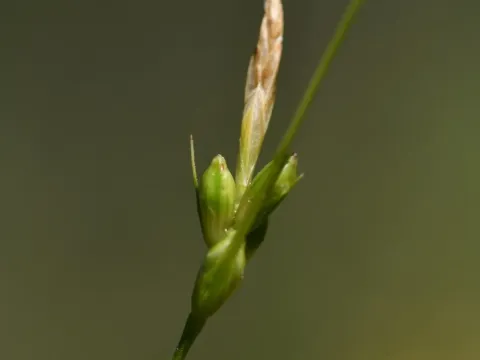
Carex oedipostyla
Carex oedipostyla
Carex oedipostyla is a perennial herbaceous plant belonging to the Cyperaceae family. It is typically found in moist and waterlogged environments, where it serves as an important component of the vegetation structure.
What the section contains
Carex oedipostyla
The plant is biologically characterized by its distinct reproductive structures. Its root system is well-developed, allowing the species to form dense tussocks that play a significant role in stabilizing wet soils.
The species has specific climate requirements, favoring cool to temperate regions with high moisture levels. It demonstrates significant cold tolerance, which is essential for surviving winter conditions in its natural range.
Regarding soil, Carex oedipostyla prefers areas with a high water table and fertile, moisture-retentive substrates. It thrives in organic-rich soils like peat or silt, provided there is adequate aeration to prevent root rot.
In terms of agricultural suitability, the plant requires consistent environmental conditions. It is not traditionally cultivated as a crop but serves as a key indicator of specific hydrological conditions in meadow management.
The agricultural utility of Carex oedipostyla is mainly focused on ecosystem services rather than intensive production. It contributes to the overall biomass yield in riparian zones and floodplains.
When used as forage, the plant is harvested early in the season. Early cutting is crucial to maintain high nutritional quality, as the content of cellulose increases rapidly as the plant matures.
The species is increasingly valued for bio-remediation projects. Its ability to extract nutrients from moist soil makes it useful in constructed wetlands designed to improve water quality in agricultural settings.
While not a high-yield industrial crop, its role in preventing soil erosion in flood-prone areas makes it a valuable plant for environmental conservation efforts in agricultural landscapes.
Yield stability depends heavily on the maintenance of natural water regimes. In well-managed zones, the plant ensures a consistent production of green mass, supporting local biodiversity and ecosystem functionality.
Common threats to Carex oedipostyla include fungal infections that thrive in stagnant, humid air conditions. These pathogens can compromise the photosynthetic capacity of the plant leaves.
Pests such as aphids and specific coleoptera species can impact the health of the plant by feeding on the sap or vegetative tissues, especially during the peak of the growing season.
The most significant threat to this species is the alteration of land hydrology, specifically through large-scale drainage projects. Drying out the soil leads to rapid population decline.
Overgrazing by livestock is another major factor contributing to the loss of this plant. Constant trampling destroys the delicate root systems and the protective tussock structure, leading to habitat degradation.
Competitive displacement by invasive or more opportunistic species occurs when the environment shifts from moist to dry. Once the water table drops, the plant quickly loses its ecological advantage.