
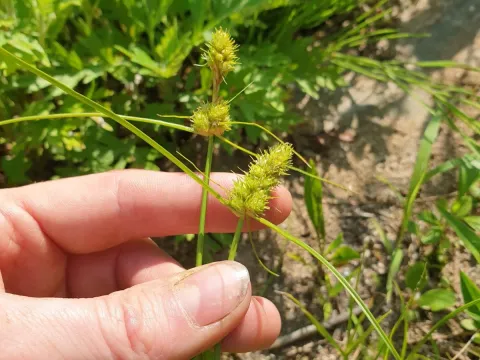
Carex neurocarpa
Carex neurocarpa
Carex neurocarpa, commonly known as the nerved sedge, belongs to the Cyperaceae family. It is a perennial herbaceous plant recognized for its role in wetland ecosystems and potential use in grassland restoration.
What the section contains
Carex neurocarpa
Sowing should be performed during late autumn or early spring to allow seeds to benefit from natural stratification, which enhances germination rates in field conditions.
Seedbed preparation requires creating a firm, moist surface. Because the seeds are small, they should not be buried too deeply; a depth of 1 to 2 centimeters is generally recommended.
In managed pastures, Carex neurocarpa is often integrated into seed mixtures with other hydrophilic grasses to create a balanced and resilient cover for livestock grazing.
Initial establishment phase is slow, so keeping the field free from aggressive weeds during the first season is essential for the long-term success of the sedge crop.
This species thrives in wet to saturated soil conditions. It is particularly well-suited for riparian zones, floodplains, and areas prone to seasonal inundation where other forage crops might fail.
Carex neurocarpa exhibits a high tolerance for acidic soils, often outperforming traditional hay grasses in environments with low pH levels and high organic matter content.
Adequate sunlight is necessary for optimal biomass production. While the plant can tolerate partial shade, productivity is significantly higher in open, well-lit sites.
The plant possesses a robust root system that helps in stabilizing soil, making it an excellent choice for erosion control in agricultural landscape management.
Nutritional requirements are relatively modest; the plant is efficient at extracting phosphorus and potassium from naturally occurring soil reserves, reducing the need for intensive fertilization.
Carex neurocarpa is valued for its ability to provide green forage during periods when upland pastures may suffer from water stress or dry out prematurely.
The yield of biomass is highly dependent on the water table level; consistent hydration throughout the growing season ensures multiple harvests or sustained grazing potential.
Forage quality is highest during the vegetative stage. As the plant matures and produces seeds, the fiber content increases, making it more suitable for roughage rather than high-protein animal feed.
Regular rotational grazing encourages tillering, which helps maintain a dense sward and improves the overall yield of the meadow over several consecutive years.
Studies indicate that with proper management, Carex neurocarpa can serve as a reliable component of a diversified forage system in moist temperate climates.
Common threats to Carex neurocarpa include fungal pathogens such as rusts and smuts, which may proliferate under conditions of high humidity and stagnant air circulation.
Insects like stem borers or grass-feeding moths can occasionally damage the foliage, though the plant's natural resilience usually allows it to recover without chemical intervention.
Preventive agronomic practices, such as maintaining proper spacing and ensuring adequate drainage where possible, significantly reduce the incidence of disease outbreaks.
Mechanical damage from overgrazing is a significant risk. If the root crown is exposed or damaged by trampling, the vigor of the plant will decline rapidly.
Integrated pest management focuses on biological controls and ensuring that the plant remains vigorous, as a healthy stand is significantly more resistant to environmental stressors.
Harvesting for hay should be timed carefully to occur before the seed heads fully mature, ensuring the best nutritional profile for the harvested forage.
Mechanical mowers should be set to a height that avoids damaging the base of the plants, typically leaving at least 5 to 7 centimeters of stubble to support rapid regrowth.
Post-harvest handling requires effective drying techniques. Because the plant is often found in moist areas, hay curing can be more challenging compared to upland grass species.
Using tedders to turn the swaths is essential for achieving uniform moisture loss and preventing the development of mold within the bales during storage.
Properly cured hay from Carex neurocarpa provides a stable, long-term feed source that is highly appreciated by livestock during winter months.