
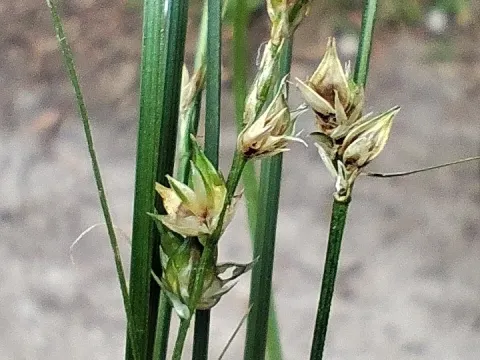
Grey sedge
Carex divulsa
Grey sedge (Carex divulsa) is a perennial member of the Cyperaceae family, prized for its arching foliage and adaptability to various garden environments.
What the section contains
Grey sedge
Seeds are typically sown in early spring or autumn. For optimal germination, a stratification period of several weeks in moist conditions is highly recommended.
The seeds should be sown on the surface of the growing medium and kept in a bright, warm location, as light is beneficial for their development.
Seedlings develop slowly, requiring a weed-free environment and consistent moisture to establish a strong root system before transplantation.
Vegetative propagation via clump division is the most common and efficient method for establishing large groupings in landscape projects.
This species is highly versatile and thrives in full sun to partial shade, making it a valuable plant for diverse garden designs.
It prefers fertile, moist, and well-drained soils, although it exhibits significant tolerance for drought once fully established in the landscape.
Carex divulsa is notably resilient in different soil types, ranging from sandy loams to heavier clay-based soils, provided there is no chronic waterlogging.
Little to no fertilizer is required; however, a balanced compost application in spring can promote denser growth and a vibrant color.
The plant is hardy and adapts well to varying temperate climates, demonstrating excellent cold resistance during the winter months.
The primary concern for Grey sedge is root rot caused by stagnant water or excessively heavy, water-retaining soil structures.
Fungal diseases like leaf spot may occur if plants are overcrowded, which restricts airflow and creates humid pockets around the base.
Pests such as aphids or spider mites can occasionally affect the plant during prolonged dry spells or in very hot weather conditions.
Maintaining proper spacing between individual plants is the best preventative strategy against most common fungal pathogens.
Early identification of pest infestations allows for targeted treatment, reducing the need for broad-spectrum chemical applications.
Harvesting for ornamental use or maintenance involves cutting back the foliage to encourage fresh, healthy growth in the following season.
The most effective time for pruning is late winter or early spring, just before the new green shoots emerge from the base.
If harvesting flower spikes for dried arrangements, cut them when fully developed but before they begin to shed their pollen or seeds.
Drying should be performed in a cool, shaded area with good air circulation to ensure the preservation of the plant's structural integrity.
Proper waste management after harvesting helps maintain the aesthetics of the garden bed and prevents the spread of potential pathogens.