
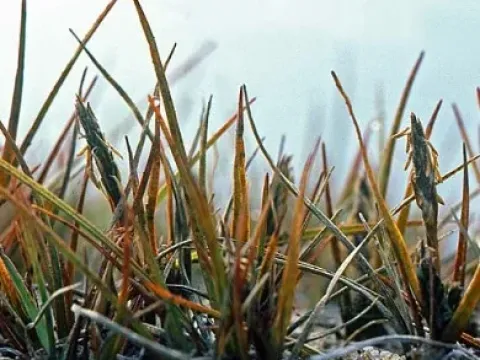
H2-sedge
Carex subspathacea
Carex subspathacea, commonly known as the H2-sedge, is a perennial herbaceous plant belonging to the Cyperaceae family. It is characterized by its rhizomatous growth habit, which allows it to form dense, resilient mats in challenging arctic and subarctic environments.
What the section contains
H2-sedge
The plant is native to circumpolar regions, primarily found in coastal areas, marshes, and salt-affected meadows. Its ability to tolerate salinity and waterlogged conditions makes it a key pioneer species in northern coastal ecosystems.
Climatic requirements are centered around the harsh arctic summer, where the plant thrives in temperatures that would be inhibitory to most other crop species. It requires consistent soil moisture and is highly adapted to the short, intensive growing seasons of the high latitudes.
Agronomic management of Carex subspathacea involves the sustainable stewardship of natural grazing lands. In the context of reindeer husbandry, protection of these meadows is essential to maintain the productivity of northern pastoral systems.
The economic and ecological utility of the species is primarily as a source of forage. Its high protein content during the early stages of growth provides a vital nutrient source for large herbivores when food availability is otherwise scarce.
Pathogenic threats are primarily related to fungal infections that can occur during unseasonably wet and humid periods. These conditions can lead to localized die-back within the sedge mats.
Human-driven threats include the degradation of fragile tundra soils due to industrial activities and heavy grazing pressure. Such physical disturbance often results in long-term damage to the delicate balance of the coastal marsh ecosystems.
Insect pests in the Arctic generally have cyclical populations, but they can exert stress on the plant during peak infestation years. However, the sedge's rapid growth helps it recover from most grazing and pest-related stressors.
Climate change poses a long-term risk to the habitat suitability for Carex subspathacea, as shifting permafrost zones alter the drainage and salinity profiles of coastal areas.
Monitoring the health of these populations is vital, as the loss of this species could lead to significant cascading effects on the biodiversity and foraging stability of arctic coastal zones.