
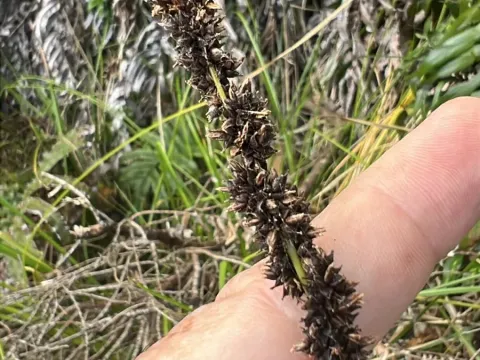
Tall sedge
Carex appressa
Carex appressa, commonly known as tall sedge, is a perennial plant belonging to the Cyperaceae family, widely used in landscape and environmental restoration.
What the section contains
Tall sedge
Propagation is primarily achieved through seeds, which are best sown in late winter or early spring within a controlled greenhouse environment.
Cold stratification of seeds for several weeks is a recommended practice to break dormancy and ensure a high percentage of successful germination.
When transplanting into the field, adequate moisture must be maintained to prevent seedling stress and to promote rapid establishment in the new soil.
Plants should be spaced approximately 40–60 cm apart to allow for proper tussock formation and air circulation, which reduces the risk of fungal issues.
Native to Australia and New Zealand, this species is naturally adapted to moist habitats, including riparian zones, marshes, and damp meadows.
The plant demonstrates excellent tolerance for waterlogged conditions, making it an ideal choice for the margins of ponds and areas prone to flooding.
While it prefers full sun for optimal density, Carex appressa is adaptable and can thrive in partial shade, maintaining a vibrant green foliage.
It thrives in nutrient-rich, heavy soils that retain moisture; however, it is generally hardy and adaptable to various soil pH levels if kept hydrated.
While hardy, young plants may require protection during extreme winter frosts to prevent damage to the crown and ensure vigorous regrowth in spring.
The primary agricultural and environmental value of tall sedge lies in its ability to stabilize soil and prevent erosion on steep slopes and riverbanks.
The plant produces significant biomass annually, which is beneficial for bio-engineering projects aimed at restoring disturbed landscapes.
Dense tussocks create effective natural filters that capture sediment and absorb excess nutrients from runoff water, contributing to improved water quality.
In landscaping, its yield of lush, upright foliage is highly valued for its aesthetic appeal, providing structure and contrast in aquatic garden designs.
Proper management of the planting site ensures long-term sustainability and maximizes the functional benefits of the sedge for ecosystem services.
Carex appressa is generally robust, but high humidity and poor air circulation in thick plantings can lead to fungal infections and leaf blight.
Pests such as aphids may occasionally attack the tender new growth during the spring, requiring monitoring and prompt intervention if infestations occur.
Root rot is a potential risk if the soil becomes stagnant and lacks oxygen, particularly in poorly drained clay-based substrates during hot summer periods.
Integrated pest management, including the regular removal of dead leaf material, is the best strategy to maintain the health and vigor of the plants.
Chemical control should be avoided when possible to protect the aquatic biodiversity surrounding the sedge plantings, favoring biological control instead.
Maintenance pruning is typically scheduled for late winter or very early spring, before the onset of the new growing season for the plant.
Cutting back the old foliage encourages the development of fresh, vibrant growth and keeps the sedge tussocks looking tidy and healthy.
When collecting seeds, ensure they are fully mature and brown before harvesting, then air-dry them in a shaded, well-ventilated area to prevent decay.
The harvested plant material can be chipped and used as mulch, providing valuable organic matter to enrich the soil in surrounding garden beds.
Consistent annual maintenance prevents the accumulation of old thatch and ensures that the plants remain functional for erosion and landscape purposes.