
Cyathea
Cyathea
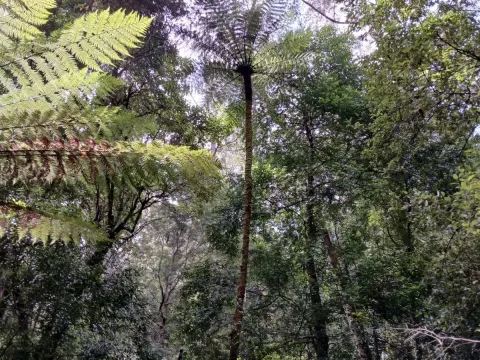
Cyathea is a prominent genus of tree ferns belonging to the family Cyatheaceae. These plants are characterized by their tall, woody, trunk-like stems and massive, feathery fronds that can grow several meters in length, creating a dramatic canopy effect in their natural habitats.
What the section contains
 Cyathea arborea
Cyathea armata
Cyathea armata
Cyathea arborea
Cyathea arborea
Cyathea armata
Cyathea armata
 Cyathea australis
Cyathea australis
Cyathea australis
 Cyathea bicrenata
Cyathea bicrenata
Cyathea bicrenata
 Cyathea borbonica
Cyathea borbonica
Cyathea borbonica
 Cyathea capensis
Cyathea capensis
Cyathea capensis
 Cyathea contaminans
Cyathea contaminans
Cyathea contaminans
 Cyathea crinita
Cyathea crinita
Cyathea crinita
 Cyathea dealbata
Cyathea dealbata
Cyathea dealbata
 Cyathea delgadii
Cyathea delgadii
Cyathea delgadii
 Cyathea hookeri
Cyathea hookeri
Cyathea hookeri
 Cyathea manniana
Cyathea platylepis
Cyathea platylepis
Cyathea manniana
Cyathea manniana
Cyathea platylepis
Cyathea platylepis
Cyathea
Native to tropical and subtropical forests across the Southern Hemisphere, including Australia, New Zealand, and parts of South America, Cyathea species thrive in humid environments. They are essential components of dense rainforest ecosystems, where they depend on consistent moisture and filtered sunlight.
To successfully cultivate Cyathea, one must mimic its native environment. This requires high levels of ambient humidity and constant protection from extreme temperature fluctuations. In temperate regions, these ferns are best suited for large conservatories or greenhouses where microclimates can be strictly regulated.
The potting medium must be well-draining, loose, and rich in organic matter. A mixture of peat, chopped bark, perlite, and leaf mold provides the necessary aeration for the root system, preventing waterlogging which is detrimental to the plant's health.
Regular maintenance includes overhead misting with demineralized water and maintaining a moist, but not saturated, root ball. Due to the sensitivity of their root systems, these plants should not be over-fertilized, and only low-strength, balanced fertilizers should be applied during the growing season.
The primary pests affecting Cyathea include scale insects, mealybugs, and spider mites, which thrive in stagnant, dry air conditions. Regular monitoring of the underside of the fronds is essential for early detection and manual or mild chemical intervention.
Fungal pathogens such as root rot and leaf spot diseases are common when drainage is inadequate or air circulation is poor. Keeping the foliage free from sitting water and maintaining good airflow around the trunk are critical practices for preventing these widespread botanical threats.