
Cyathea arborea
Cyathea arborea
Description
Growing requirements
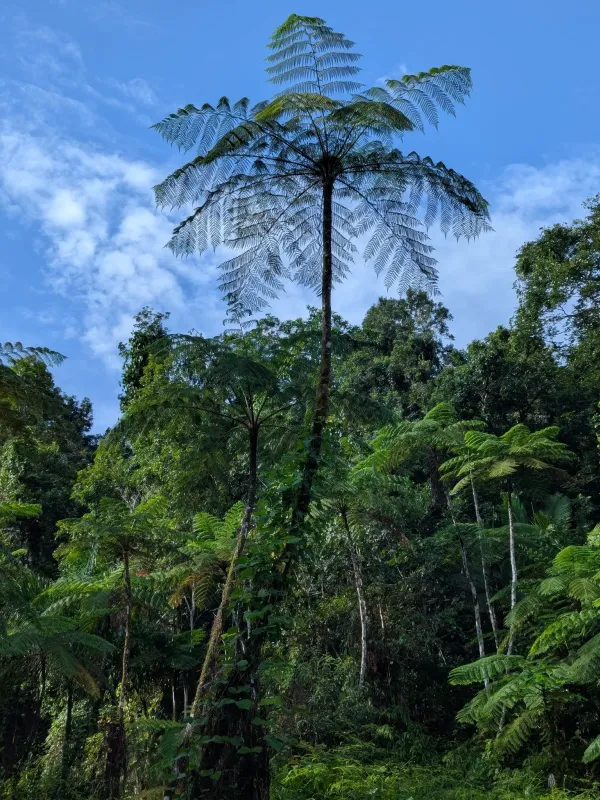
Cyathea arborea belongs to the Cyatheaceae family and is widely recognized as one of the most prominent tree ferns in the tropical regions of the Americas. It features a single, slender trunk topped with a crown of large, arching fronds.
The plant originates from the mountainous rainforests of the Caribbean. In an agricultural or conservatory context, it requires a stable environment that replicates high humidity and consistent tropical temperatures.
Climate requirements include temperatures between 18°C and 25°C. It is essential to avoid direct sunlight, as the foliage is highly susceptible to scorching and requires dappled shade for optimal development.
The soil should be well-draining, humus-rich, and slightly acidic. It is recommended to use a mix of peat moss, perlite, and decomposed organic matter to ensure the roots have access to both air and moisture.
Consistent watering is vital. The root ball must remain moist at all times, but standing water should be avoided to prevent root rot. Regular misting of the fronds is necessary to maintain the required atmospheric humidity.
Main diseases and pests
Common pests affecting Cyathea arborea include spider mites, mealybugs, and scale insects. These pests thrive in indoor environments with poor air circulation and low humidity.
Fungal issues, such as crown rot or root rot, are the most serious diseases for this species. These are usually caused by overwatering or poor drainage in the container substrate.
Integrated pest management involves regular inspections and the use of insecticidal soaps if an infestation is detected. It is crucial to treat the undersides of the fronds where pests usually congregate.
Preventative measures include maintaining adequate airflow and avoiding wetting the trunk directly during irrigation. Proper sanitation of tools used for trimming dead fronds is also essential.
Environmental stress, such as sudden temperature drops or lack of humidity, will weaken the plant's natural defenses, making it much more vulnerable to opportunistic pathogens.