
Cyathea dealbata
Cyathea dealbata
Description
Growing requirements
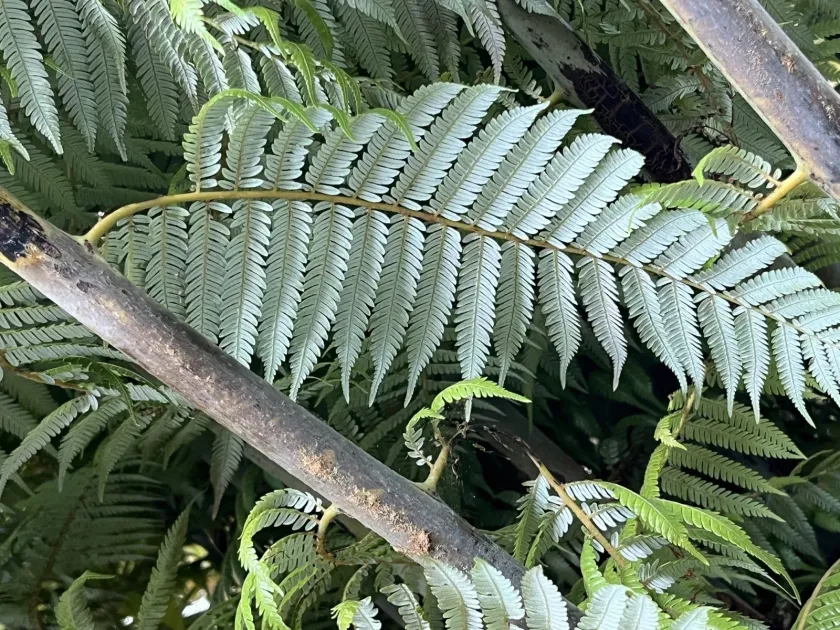
Cyathea dealbata, commonly known as the silver tree fern, is a species of tree fern in the Cyatheaceae family. Endemic to New Zealand, this plant is characterized by its magnificent trunk, which can grow to significant heights in its native humid forest habitat.
The plant thrives in conditions that mimic its natural temperate rainforest environment. Essential requirements include consistently high humidity, protection from harsh direct sunlight, and a steady, cool-to-warm temperature regime throughout the year.
A loose, well-draining, and slightly acidic substrate is crucial for cultivation. Mixing coarse peat with pine bark or specialized epiphytic mixes helps ensure that the root system has the necessary aeration while remaining consistently moist.
Agricultural management focuses on watering with soft, filtered water and ensuring that the plant never dries out completely. Given its slow growth rate, the culture is primarily maintained in botanical collections, conservatories, and professional landscape designs.
Economically and aesthetically, it serves as a flagship species for ornamental horticulture. Its striking fronds, featuring a silver underside, make it a prized specimen for temperate indoor gardens where climatic controls can be strictly maintained.
Main diseases and pests
The most common pests affecting Cyathea dealbata include scale insects and mealybugs. These organisms attach themselves to the fronds and stems, weakening the plant by draining sap, which necessitates regular manual inspection.
Spider mites are a significant threat in dry, indoor environments. To prevent infestations, it is necessary to maintain atmospheric humidity levels above 60% and periodically clean the fronds with a fine mist or damp cloth.
Root rot occurs if the soil drainage is inadequate or if the plant is overwatered. Since the root system is highly sensitive to waterlogging, even a short period of anaerobic conditions can be detrimental to the health of the tree fern.
Fungal infections, often manifesting as leaf spots, are usually promoted by poor air circulation and damp, cool conditions on the foliage. Proper ventilation is vital to keep the plant free from pathogenic fungi and bacteria.
Management of these threats relies heavily on early detection and maintaining good environmental hygiene. By focusing on the plant's physiological needs, growers can mitigate most risks associated with pests and common fungal pathogens.