
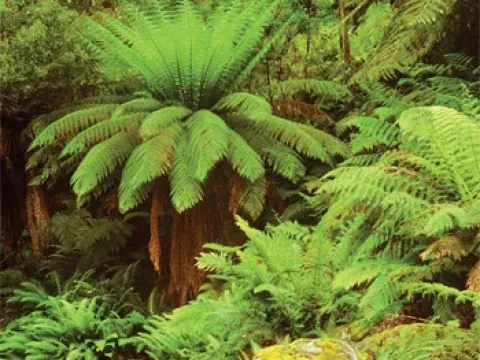
Alsophila
Alsophila
Alsophila is a prominent genus of tree ferns belonging to the family Cyatheaceae. These plants are recognized for their distinct, woody trunks and massive, elegant fronds that create a lush, tropical canopy effect in both natural and controlled environments.
What the section contains
 Alsophila celsa
Alsophila deckenii
Alsophila deckenii
Alsophila celsa
Alsophila celsa
Alsophila deckenii
Alsophila deckenii
 Alsophila glaucifolia
Alsophila glaucifolia
Alsophila glaucifolia
 Alsophila imrayana
Alsophila imrayana
Alsophila imrayana
 Alsophila latebrosa
Alsophila latebrosa
Alsophila latebrosa
 Alsophila podophylla
Alsophila podophylla
Alsophila podophylla
 Alsophila sinuata
Alsophila sinuata
Alsophila sinuata
 Alsophila smithii
Alsophila smithii
Alsophila smithii
 Alsophila spinulosa
Alsophila spinulosa
Alsophila spinulosa
 Alsophila walkerae
Alsophila walkerae
Alsophila walkerae
 Common Tree Fern
Alsophila dregei
Common Tree Fern
Alsophila dregei
 Giant tree fern
Alsophila gigantea
Giant tree fern
Alsophila gigantea
 Slender Tree Fern
Alsophila cunninghamii
Slender Tree Fern
Alsophila cunninghamii
Alsophila
Native to the humid tropical and subtropical regions of the Southern Hemisphere, including Australia and various Pacific islands, these plants have evolved to thrive in high-humidity habitats. Understanding these origins is key to replicating the conditions necessary for successful growth.
The cultural requirements for Alsophila include maintaining high ambient humidity and consistently moist but well-drained soil. They perform best in shaded or semi-shaded locations, avoiding direct sunlight, which causes immediate tissue damage to the delicate fronds.
Soil composition should prioritize drainage and organic matter content, typically utilizing a mix of peat, bark, and perlite. Proper aeration of the rooting zone is critical to prevent the root suffocation that often occurs in compacted or waterlogged media.
In terms of хозяйственного (utilitarian) use, the genus is primarily valued for ornamental horticulture. It is widely cultivated in botanical institutions, conservatories, and large-scale interior landscapes where its statuesque presence adds a unique aesthetic value.
Common pests affecting Alsophila include scale insects and mealybugs, which tend to congregate in the protected junctions of the fronds. Regular inspection and the use of insecticidal soaps are standard management practices for keeping these populations under control.
Pathogens related to overwatering represent the most significant threat to the plant's health. Root rot and stem decay are often lethal if not caught early, highlighting the importance of precise irrigation and the avoidance of stagnant water in the growing medium.