
Cyathea contaminans
Cyathea contaminans
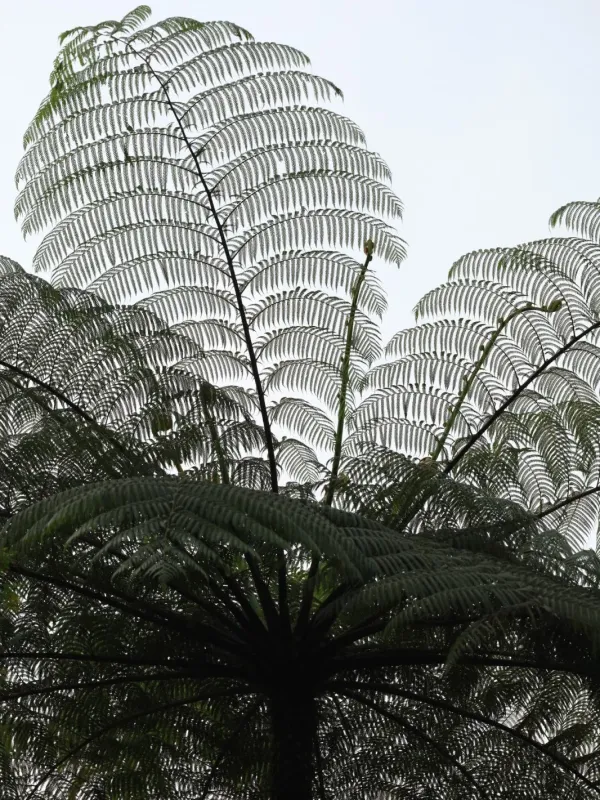
Description
Growing requirements
Cyathea contaminans is a remarkable species of tree fern belonging to the Cyatheaceae family. It is distinguished by its upright, often tall stem and expansive, feathery fronds, making it a focal point in tropical botanical collections and greenhouses.
Native to the humid forests of Southeast Asia, this plant thrives in environments that replicate tropical conditions. Its cultivation is primarily focused on greenhouse production, where humidity and temperature can be strictly regulated to support its massive growth cycle.
Climate requirements involve maintaining a constant warm range, typically between 18 and 26 degrees Celsius. The plant is highly intolerant of frost, and even short exposure to temperatures near freezing can cause irreversible damage to the vascular tissue of the trunk.
Soil management for Cyathea contaminans demands a well-draining, nutrient-rich substrate. A blend of coarse peat, orchid bark, and leaf mould is ideal to mimic the natural floor of tropical forests while ensuring necessary aeration for the root system.
Agrotechnical maintenance focuses heavily on moisture regulation. Both the potting mix and the surrounding air require high levels of humidity. Regular misting or the use of automated irrigation systems is essential to maintain turgor pressure within the plant's fronds.
Main diseases and pests
Root pathogens are the primary threat to the health of this tree fern. Overwatering or poor drainage systems quickly lead to hypoxia in the roots, facilitating the colonization of pathogenic fungi that can decay the base of the trunk.
Scale insects and mealybugs represent significant pest risks. These organisms attach themselves to the undersides of the fronds, sapping plant nutrients and causing discoloration, which diminishes the ornamental value and overall vigor of the specimen.
Spider mites are another common challenge, particularly in indoor environments where air circulation may be stagnant and humidity levels fluctuate. Infestations lead to yellowing of the fronds and the eventual loss of the plant's canopy.
Fungal infections, such as leaf spot, can develop if the foliage remains wet for extended periods without adequate air movement. Ensuring proper ventilation around the fronds is a critical preventative measure in any professional growing operation.
Sanitation within the growing area is vital. Regularly clearing the trunk of dead organic debris and isolating any new plants prior to their introduction to the main collection significantly reduces the incidence of disease transmission.