
Sphaeropteris brunoniana
Sphaeropteris brunoniana
Description
Growing requirements
Sphaeropteris brunoniana is a striking species of tree fern belonging to the Cyatheaceae family. It is native to the humid mountainous regions of the Himalayas, where it thrives under the canopy of dense forests, benefiting from constant moisture and protection from harsh elements.
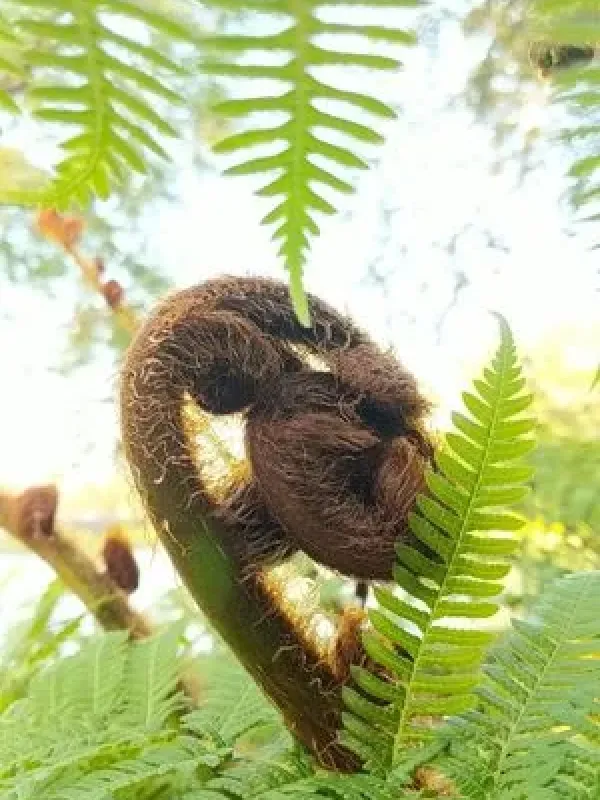
Botanically, it is characterized by a sturdy, upright trunk covered in persistent leaf bases and adventitious roots. The large, pinnate fronds unfurl from a central crown, showcasing the architectural elegance that makes this genus highly sought after by botanic gardens and specialized collectors.
Cultivation requires a microclimate that mimics its native habitat, specifically focusing on high atmospheric humidity and stable temperatures. It is imperative to avoid cold drafts and direct, intense sunlight, which can quickly desiccate the delicate tissues of the fronds.
The substrate must be well-draining, rich in organic matter, and slightly acidic to support healthy root development. A mixture involving peat moss, bark, and leaf mold is ideal, ensuring that the roots remain moist without becoming waterlogged, which is vital for preventing root death.
For commercial or professional use, growers must prioritize the balance between watering and ventilation. The plant grows best in containers that allow for root expansion and has specific requirements for specialized fertilizer formulations designed for epiphytic or mountain-dwelling ferns.
Main diseases and pests
Pest management is a critical aspect of Sphaeropteris brunoniana care, as spider mites and scale insects often target the undersides of the fronds. Maintaining high humidity is the most effective preventative measure against these common infestations.
Fungal pathogens and crown rot pose a significant risk if the irrigation water is allowed to pool in the central growing point of the plant. Ensuring adequate air circulation around the trunk is essential to keep the plant vigorous and free from opportunistic pathogens.