
Sphaeropteris mertensiana
Sphaeropteris mertensiana
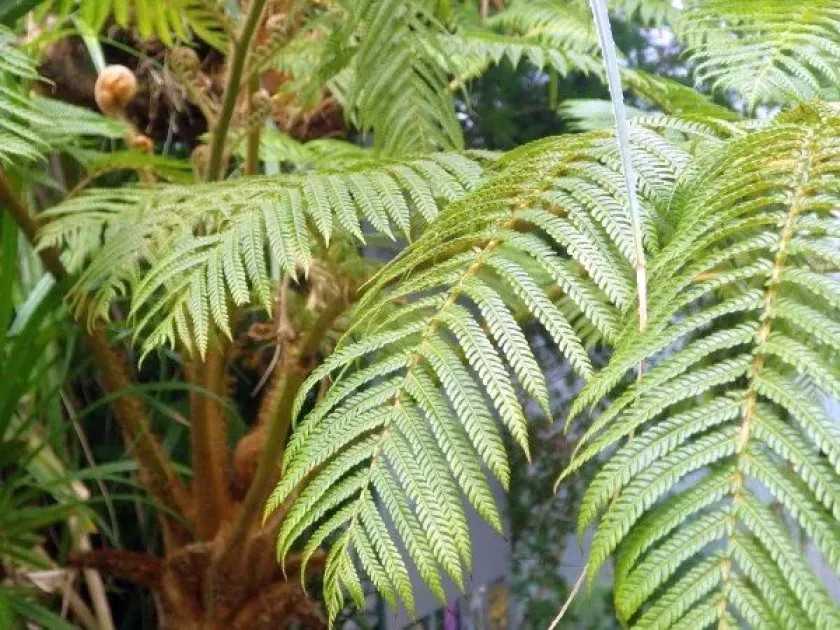
Description
Growing requirements
Sphaeropteris mertensiana is a magnificent tree fern native to the Bonin Islands, belonging to the Cyatheaceae family. It is highly regarded by botanists and collectors for its structural beauty and architectural form typical of tropical fern species.
This fern thrives in high-humidity environments, ideally ranging between 70% and 85%. Maintaining consistent humidity is critical, especially when cultivating the plant in domestic or conservatory settings where air conditioning or central heating may dry out the atmosphere.
The preferred growing medium is a light, well-draining, and slightly acidic substrate. A mix consisting of peat moss, pine bark, perlite, and decomposed organic leaf mold mimics the natural forest floor and provides necessary aeration for the roots.
Light requirements for Sphaeropteris mertensiana involve filtered or dappled sunlight. Direct exposure to intense sun will scorch the fronds, leading to permanent damage; therefore, placement in areas with eastern or northern exposure is generally recommended.
Cultural maintenance involves frequent irrigation with soft, lime-free water. The substrate should remain moist to the touch at all times, but never waterlogged, as excessive standing water can lead to the rapid decay of the trunk base.
Main diseases and pests
The primary pests affecting Sphaeropteris mertensiana are spider mites and mealybugs, which are particularly attracted to the plant when humidity levels drop below optimal parameters.
Root and crown rot are common issues resulting from improper irrigation practices. Maintaining an airy substrate is the best insurance against fungal pathogens that thrive in compacted, damp soil.
Early detection of infestations is vital for the health of the fern. Regularly checking the undersides of the fronds and the crown area helps to catch pests before they cause systemic damage to the plant.
Sanitation plays a key role in pest and disease management. Removing senescent or dying fronds helps prevent the accumulation of organic debris that can harbor fungal spores and provide shelter for pests.
If chemical intervention becomes necessary, only mild horticultural soaps or systemic pesticides suitable for delicate ferns should be used to avoid burning the foliage or damaging the sensitive crown.