
Cyathea capensis
Cyathea capensis
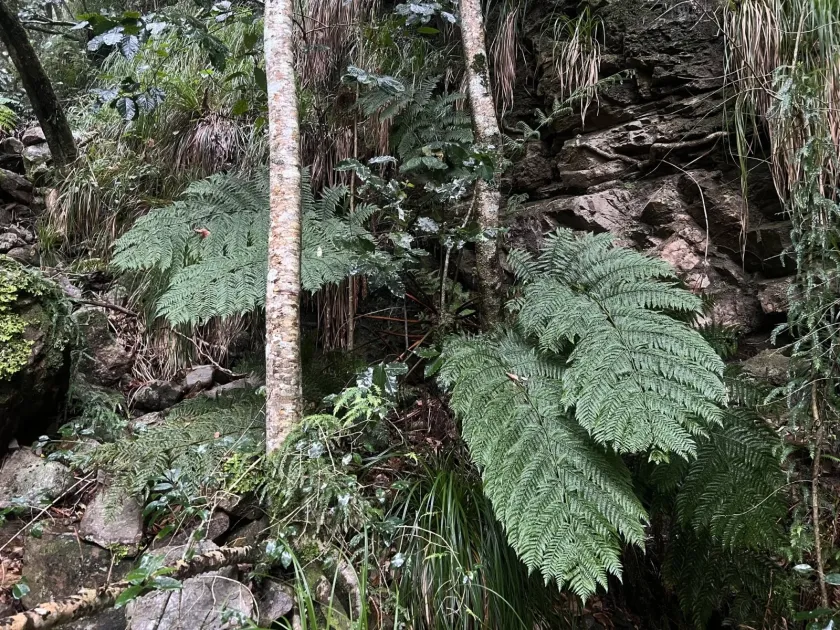
Description
Growing requirements
Cyathea capensis is a prominent species of tree fern belonging to the Cyatheaceae family. This plant is characterized by its tall, fibrous stem which can reach significant heights in its natural environment, crowned with a dense rosette of large, finely divided fronds.
Originating from the moist forests and ravines of South Africa, this species thrives in temperate, shaded areas with high humidity. Its habitat is typically associated with stream banks or forest floors where moisture levels remain consistently high throughout the year.
In terms of soil requirements, it prefers a well-draining, humus-rich substrate that remains consistently damp but not waterlogged. The pH level should be slightly acidic, mirroring the organic-rich composition of forest floor soil where it naturally occurs.
Climate conditions are critical for its survival; it demands moderate temperatures and avoids extreme heat or frost. Ideal cultivation conditions involve shaded environments where air circulation is present but direct, harsh sunlight is prevented to avoid scorching the sensitive fronds.
Proper maintenance includes regular watering with soft water and high-frequency misting to simulate its native humid environment. Fertilization should be light and consistent during the growing season using a balanced, diluted liquid fertilizer to support healthy growth.
Main diseases and pests
The most common pests affecting Cyathea capensis are spider mites, which thrive in low-humidity environments. To manage these, it is essential to increase ambient humidity and use gentle acaricides if a significant infestation occurs.
Mealybugs and scale insects may also infest the base of the fronds, feeding on sap and reducing the plant's vitality. Regular visual inspections are recommended to catch these pests early, allowing for physical removal before they spread across the stem.
Root rot is the primary disease risk, often caused by poor drainage or overwatering. Maintaining a well-aerated soil mix is essential to prevent fungal pathogens from taking hold and causing severe damage to the delicate root system.
Mechanical damage to the fronds can be problematic, as they are fragile and slow to regenerate. Careful handling and positioning the plant away from high-traffic areas will protect the aesthetics and overall health of the specimen.
When implementing pest control, it is advised to avoid harsh chemical sprays, as ferns can be sensitive to concentrated pesticides. Using neem oil or insecticidal soaps in diluted forms is generally safer and more effective for this type of botanical specimen.