
Cyathea australis
Cyathea australis
Description
Growing requirements
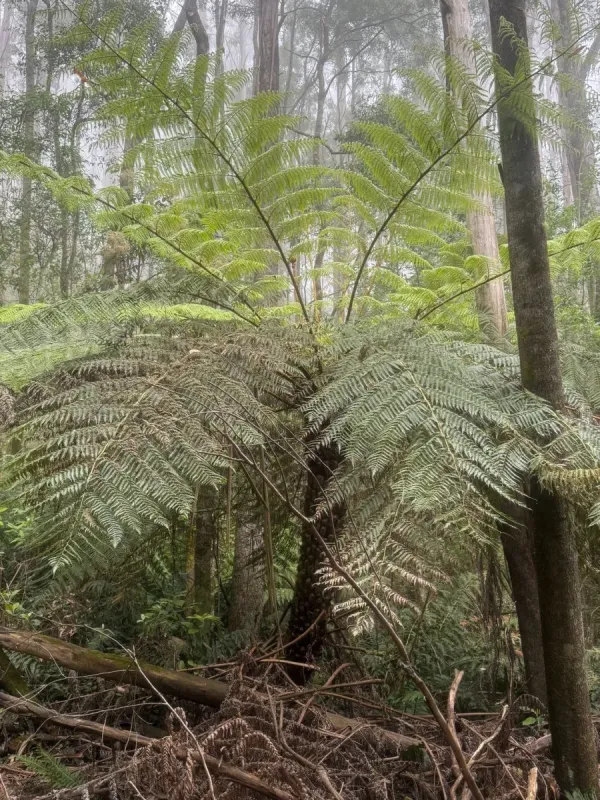
Cyathea australis, commonly known as the rough tree fern, is a prominent species within the Cyatheaceae family. It is native to the eastern regions of Australia, thriving in temperate rainforests where moisture and canopy cover provide a stable microclimate.
This species requires high ambient humidity levels and protection from harsh, direct sunlight. In an agricultural or horticultural setting, maintaining humidity above 70% is essential for the healthy development of its expansive, arching fronds.
The substrate must be rich in organic matter and possess excellent drainage properties. A blend consisting of sphagnum peat, perlite, and coarse pine bark provides the aeration and moisture retention necessary for the fern's extensive root structure.
Environmental temperatures should remain consistent, ideally between 15°C and 22°C. While Cyathea australis is hardier than many tropical ferns, it is sensitive to severe frost and requires protective measures if temperatures drop near freezing.
Irrigation practices involve keeping the growing medium consistently damp without waterlogging. It is also beneficial to mist the trunk, as the plant can absorb water through its fibrous aerial root network, supporting its vertical growth.
Main diseases and pests
Common pests encountered by Cyathea australis include spider mites and scale insects. These pests often thrive in environments where humidity is insufficient or where stagnant air allows for rapid population growth.
Root rot, primarily caused by fungal pathogens in waterlogged soils, is the most significant threat to the plant's long-term health. Over-watering is the leading cause of this condition, making proper drainage management a priority for growers.
Monitoring the undersides of the fronds is crucial for early detection of pest infestations. Utilizing insecticidal soaps or neem oil is generally effective for controlling minor outbreaks without causing damage to the delicate fern foliage.
To prevent disease outbreaks, ensuring adequate air circulation and sanitation within the growth area is vital. Removing dead or decaying fronds regularly helps reduce the presence of spores and debris that may harbor harmful fungi.
When chemical treatment is necessary, it is important to apply solutions during cooler parts of the day to avoid leaf scorch. Always test a small portion of the plant before applying any product broadly to ensure no phytotoxic reaction occurs.