
Alsophila podophylla
Alsophila podophylla
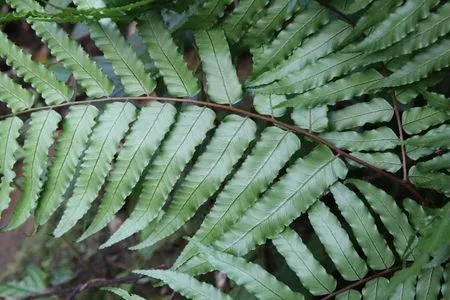
Description
Growing requirements
Alsophila podophylla is a species of tree fern belonging to the Cyatheaceae family. Native to the tropical regions of Southeast Asia, specifically China and Vietnam, this plant is valued for its majestic architectural form and deep green, segmented fronds.
The plant thrives in humid, shaded environments that mimic the floor of a tropical rainforest. Optimal growth is observed when temperatures are consistently maintained between 18°C and 25°C, as the species is highly intolerant of frost and extreme heat stress.
For successful cultivation, a well-draining, nutrient-rich, and slightly acidic substrate is essential. Incorporating organic matter such as peat moss, decomposed bark, and leaf mold helps replicate the natural forest floor composition required for healthy root development.
Water management is critical; the growing medium should be kept consistently moist but never waterlogged. High ambient humidity is perhaps the most significant requirement, often necessitating the use of misting systems or humidifiers in greenhouse settings.
Light levels should be kept low to moderate, with filtered sunlight being ideal. Direct exposure to intense solar radiation can damage the foliage, leading to browning and necrosis, which significantly diminishes the plant's ornamental value.
Main diseases and pests
The primary pests affecting Alsophila podophylla in agricultural or greenhouse settings include mealybugs and spider mites, both of which thrive in indoor environments with limited airflow and moderate humidity levels.
Fungal pathogens such as Pythium and Phytophthora pose a severe threat, particularly when soil drainage is insufficient. Maintaining sterile equipment and ensuring proper air circulation are key preventative measures against these diseases.