
Alsophila smithii
Alsophila smithii
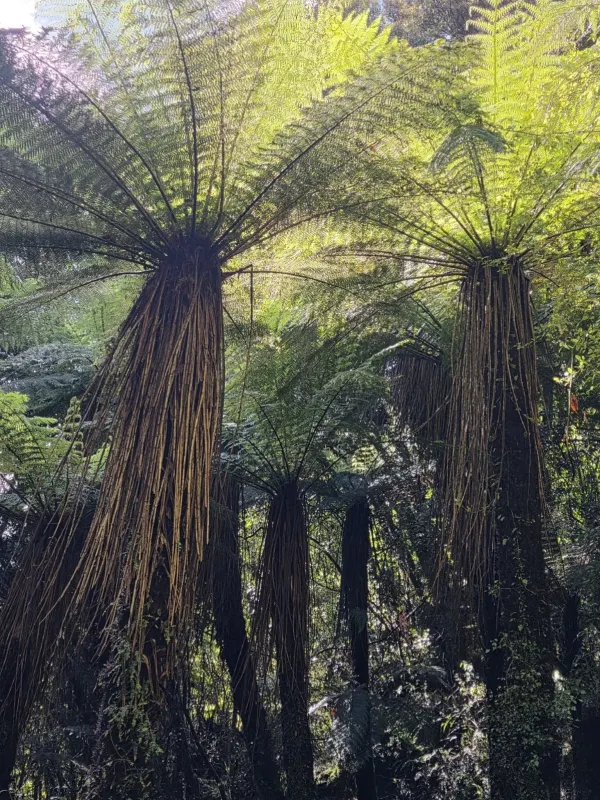
Description
Growing requirements
Alsophila smithii, historically documented as Cyathea smithii, is a prominent species within the Cyatheaceae family. It is recognized as a majestic tree fern, characterized by its fibrous trunk and expansive, delicate fronds that grow in a circular crown.
Native to the temperate rainforests of New Zealand, this fern thrives in high-humidity environments. Its natural range is strictly tied to sheltered, moisture-rich valleys where it finds protection from extreme climatic variations.
Cultivation requires a growing medium that is loose, well-draining, and rich in humus. The plant prefers slightly acidic soil conditions and demands consistent moisture, though it must be balanced carefully to avoid root saturation.
The agronomic management of this species involves maintaining shade and protection from direct, intense sunlight. It is an ideal plant for greenhouses or sheltered outdoor spots in oceanic climates, as it does not tolerate harsh frosts or dry, hot winds.
Economic and horticultural use is strictly decorative. It is highly sought after by collectors and landscape architects for creating tropical or prehistoric-themed garden aesthetics in suitable climatic zones.
Main diseases and pests
The primary threats to Alsophila smithii include fungal pathogens that exploit high humidity to infect the root system or the crown of the plant.
Pests such as scale insects and spider mites are frequent invaders in indoor environments where air humidity might drop, necessitating careful monitoring and cleaning of fronds.
Root rot, typically caused by improper drainage or excessive watering, poses a significant risk to the longevity of the plant, often leading to irreversible damage.
Slugs and snails can also damage new growth, particularly in greenhouse settings where they find ample cover and moisture to feed on the tender young fronds.
Mechanical injuries to the stem can serve as entry points for rot, making careful handling and maintenance essential to the health and structural integrity of the fern.