
Common Tree Fern
Alsophila dregei
Description
Growing requirements
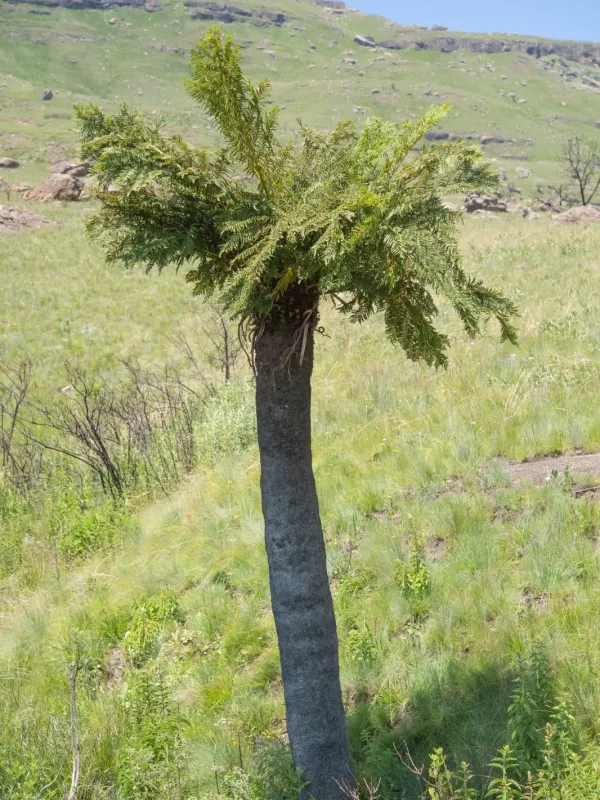
Alsophila dregei, commonly known as the Common Tree Fern, belongs to the family Cyatheaceae. This species is highly valued for its striking, architectural trunk and long, graceful fronds that can transform any garden or conservatory into an exotic sanctuary.
Native to Southern and Eastern Africa, this plant is naturally adapted to riverine habitats and mountain slopes. Its distribution indicates a preference for temperate to tropical climates where environmental moisture is consistently available to support its rapid growth.
Cultivation requirements focus on maintaining a stable environment. The plant thrives in temperatures ranging from 18 to 26 degrees Celsius. It is essential to protect the crown from freezing temperatures, which can be fatal to the delicate growing point of the fern.
Soil management is critical for the success of Alsophila dregei. It requires a well-draining, organic-rich substrate that holds moisture without becoming waterlogged. Incorporation of composted bark or peat ensures optimal aeration for the root system.
Light exposure should be carefully managed; while the plant enjoys bright conditions, direct intense sunlight can bleach the fronds. Dappled shade is considered ideal for maintaining the deep green coloration of the foliage throughout the active growing season.
Main diseases and pests
The primary threats to tree ferns include fungal pathogens, particularly Phytophthora and various forms of stem rot. These diseases are often exacerbated by poor air circulation and excessive moisture in the central growth point.
Pest management is focused on common greenhouse insects such as scale insects and mealybugs. These pests hide in the crevices of the trunk and under the foliage, necessitating regular scouting and targeted manual removal or insecticide application.
Spider mites are a common challenge in low-humidity environments. Maintaining high ambient humidity levels is the best cultural practice to prevent outbreaks and keep the foliage healthy and free from microscopic webbing.
Nutrient deficiencies may occur if the plant is grown in a pot for an extended period without re-potting or fertilization. Yellowing leaves often signify a lack of essential trace elements which need to be supplemented during the spring growth flush.
Strict biosecurity measures should be implemented in nurseries to prevent the spread of diseases. Ensuring that all tools are sterilized and new plants are inspected before introduction to the main collection is vital for professional plant health.