
Slender Tree Fern
Alsophila cunninghamii
Description
Growing requirements
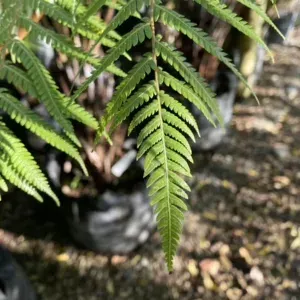
Alsophila cunninghamii, commonly known as the Slender Tree Fern, is a member of the Cyatheaceae family. It is native to the temperate rainforests of Australia and New Zealand. This species is admired for its slender, tall trunk and wide, delicate fronds that create a majestic umbrella-like appearance.
The plant thrives in environments that mimic its natural habitat: cool, humid, and shaded. It requires consistent moisture throughout the year. If grown indoors, it is essential to ensure high humidity levels, ideally above 70%, by using humidifiers or frequent misting of the fronds.
The soil requirements for the Slender Tree Fern include a well-draining, acidic, and organic-rich medium. A mix of peat moss, pine bark, and perlite helps maintain the necessary balance between water retention and root aeration. The plant should never be left to dry out completely, nor should it sit in standing water.
Alsophila cunninghamii prefers temperatures between 15°C and 22°C. It is sensitive to frost and extreme heat, both of which can cause severe physiological stress. When placed in an interior setting, it should be kept away from direct heat sources such as radiators or direct sunlight, which can quickly scorch the foliage.
In landscaping, this fern is a prized architectural plant. It is primarily used as a feature plant in cool-climate conservatories or tropical-style gardens where space allows for its significant height. Its slow growth rate makes it a long-term investment for plant enthusiasts and botanical institutions.
Main diseases and pests
Root rot is the most significant threat to the Slender Tree Fern, often resulting from improper soil drainage or overwatering. Once established, fungal pathogens can spread through the vascular system, leading to rapid decline. Ensuring the drainage holes are clear is a critical preventive measure.
Pest management is focused on controlling scale insects and mealybugs. These pests hide in the crevices of the trunk and the base of the fronds. Regular inspection and the use of insecticidal soap can effectively manage populations before they cause structural damage to the fern.
Spider mites are a common issue, particularly in drier indoor climates. They cause stippling on the leaves and can lead to premature leaf drop if left unmanaged. Increasing humidity and regular foliage cleaning are the best non-chemical defenses against these infestations.
Nutrient deficiency or toxicity can manifest as brown tips on the fronds. This is often caused by an accumulation of salts from hard water or excessive fertilization. Using rainwater or distilled water and applying a very dilute, balanced fertilizer is recommended to maintain optimal health.
Finally, physical damage to the crown of the fern can be lethal, as this is the primary growing point. Care must be taken during handling or maintenance to avoid damaging the central apical meristem. Keeping the crown clean from debris helps prevent secondary rot infections.