
Giant tree fern
Alsophila gigantea
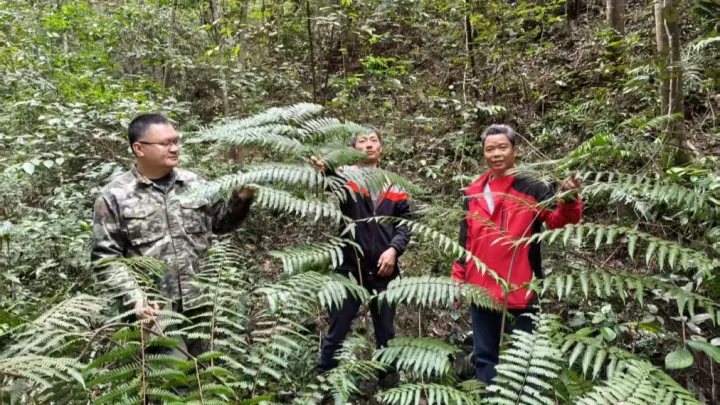
Description
Sowing dates
Alsophila gigantea, commonly known as the giant tree fern, belongs to the Cyatheaceae family. In a controlled environment, its cultivation usually starts from spores, which require precise environmental settings to germinate successfully.
The sowing process involves a sterile, peat-based substrate mixed with fine sand. It is critical to maintain a consistent moisture level and a stable temperature between 22–25 degrees Celsius to facilitate the growth of the prothallia.
Light intensity during the early stages must be kept low and indirect to prevent the delicate sporelings from drying out. Using a transparent cover helps maintain the necessary humidity, provided that the container is occasionally aired.
Once the young sporophytes develop their first set of fronds, they are carefully transplanted into small pots. This stage is particularly sensitive, as the root systems are fragile and prone to damage from improper handling.
Maintaining a clean, nutrient-poor substrate during the initial weeks ensures that the young ferns do not succumb to fungal pathogens, which thrive in stagnant, wet environments.
Growing requirements
The giant tree fern thrives in environments with high ambient humidity, ideally above 70%. It requires bright, diffused light, as direct exposure can cause significant foliage damage and leaf necrosis.
The soil should be well-draining, rich in organic matter, and slightly acidic. A mix of shredded bark, leaf mold, and perlite provides the necessary structure and aeration for the fern’s roots to function efficiently.
Optimal temperatures range from 18 to 24 degrees Celsius. It is crucial to protect the plant from cold drafts and extreme temperature fluctuations, which can cause the plant to shed its fronds and stop growth.
Watering must be frequent but careful, ensuring the potting medium remains damp without becoming waterlogged. The heart of the tree fern should be kept moist, but water should not accumulate in the crown for long periods.
Supplemental feeding should be minimal. During the growing season, a balanced, highly diluted fertilizer can be applied once a month to support the development of the lush, large fronds typical of this species.
Main diseases and pests
Common pests affecting Alsophila gigantea include scale insects and spider mites, which thrive in indoor environments with limited airflow. Regular inspection and localized treatments are necessary to control these infestations.
Root rot is the most common disease, resulting from overwatering or poorly aerated soil. This condition requires immediate intervention, including reducing watering frequency and repotting in a fresher, more porous substrate.
Mealybugs can be a persistent problem, particularly in the dense areas of the frond base. Manual removal combined with biological insecticidal soaps is often the most effective method of control without harming the plant.
Lower leaf tips turning brown is a common diagnostic indicator of low humidity. While not a disease itself, it indicates poor environmental conditions that weaken the plant's overall natural resistance to other pathogens.
Ensuring adequate air circulation around the crown is vital to prevent fungal infections. If signs of fungus appear, the affected area should be sanitized and the plant moved to a location with better airflow.