
Alsophila latebrosa
Alsophila latebrosa
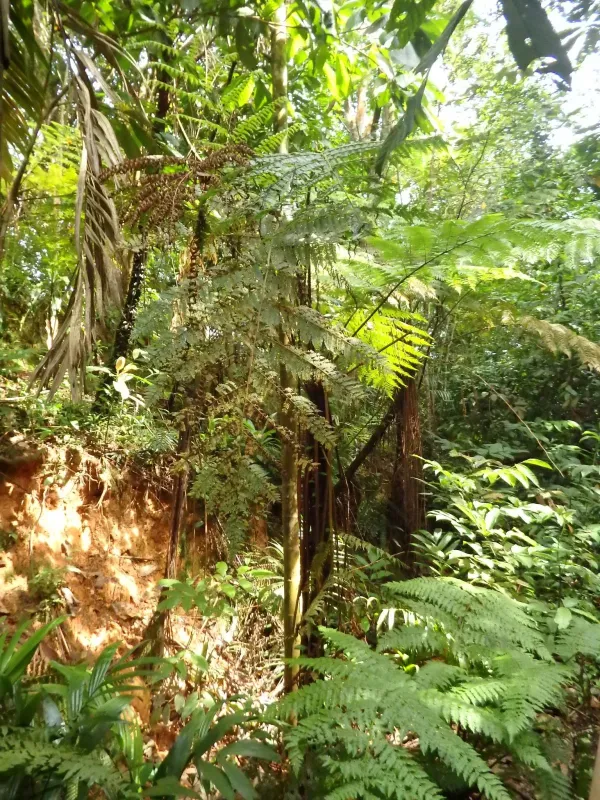
Description
Growing requirements
Alsophila latebrosa is a distinctive tree fern species belonging to the family Cyatheaceae. It is native to the tropical forests of Southeast Asia, where it thrives under the canopy in environments characterized by high humidity and consistent warmth.
The plant requires an ambient temperature range of 20°C to 28°C to maintain vigorous growth. It is highly intolerant of frost and significant temperature fluctuations, which can damage its delicate vascular tissue and growing point.
Growing substrates for Alsophila latebrosa must be well-draining, porous, and rich in organic matter. A mix of peat moss, pine bark, and perlite is often recommended to simulate the natural forest floor conditions necessary for its root system.
Irrigation management is critical; the medium must remain consistently moist but never waterlogged. Regular misting of the foliage is essential to replicate the high-humidity environment native to its tropical habitat, especially when grown indoors.
While primarily cultivated for ornamental purposes in botanical gardens and conservatories, it serves as a key species in understanding the adaptation strategies of tropical tree ferns. Its architectural stature makes it a prized specimen in specialized horticulture.
Main diseases and pests
Scale insects and mealybugs are the primary pests that infest Alsophila latebrosa, particularly congregating in the crown and along the leaf rachises. Manual removal combined with targeted systemic insecticides is the standard control strategy.
Root rot pathogens, including Phytophthora and Pythium species, pose a constant threat if drainage is inadequate. Overwatering combined with cool temperatures significantly increases the risk of infection and total plant failure.
Leaf spot diseases frequently occur in environments with poor air circulation and high humidity, leading to premature leaf drop and aesthetic decline. Fungicidal treatments should be applied sparingly, focusing on improving environmental conditions first.
The growing tip, or apical meristem, is highly susceptible to damage; even minor mechanical injuries or pathogens can jeopardize the entire plant's development. Proper protection of the crown is essential to ensure long-term viability.
Low humidity levels in greenhouse environments can lead to browning of the frond margins, which often invites opportunistic fungal growth. Maintaining a stable microclimate is the most effective defense against the majority of common horticultural threats.