
Alsophila imrayana
Alsophila imrayana
Description
Growing requirements
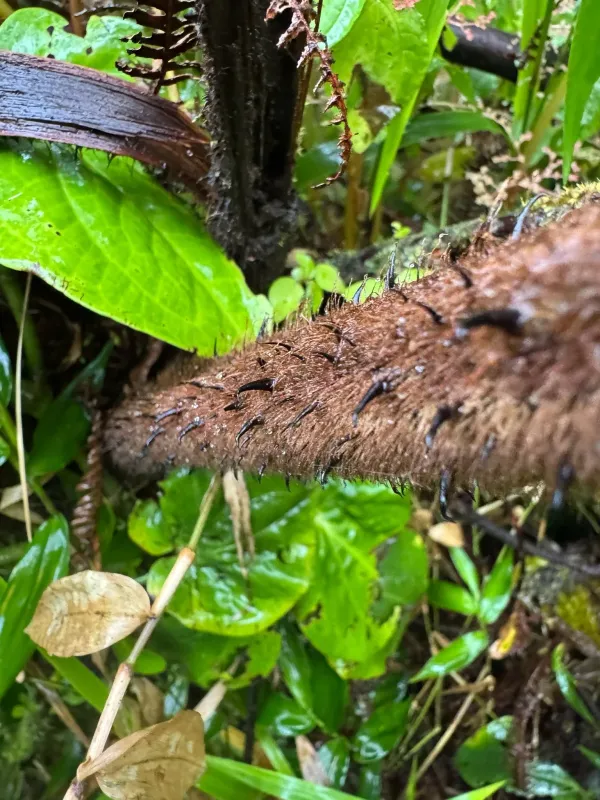
Alsophila imrayana is a striking tree fern belonging to the Cyatheaceae family. It is characterized by its tall, slender trunk topped with a crown of large, elegant fronds, making it a masterpiece of botanical architecture in tropical forests.
The species is native to the Caribbean islands, specifically thriving in the high-altitude, humid rainforests of Dominica. It typically grows in sheltered areas where the canopy provides dappled sunlight, protecting the plant from direct heat.
In terms of agricultural requirements, this fern demands a stable environment with temperatures between 18°C and 25°C. It is highly intolerant of frost, and even moderate cold snaps can cause permanent tissue damage to the tender growth points.
The growing medium must be highly porous and rich in organic matter. A mixture consisting of pine bark, sphagnum peat moss, and perlite is often recommended to ensure rapid drainage while maintaining the high moisture content the roots require.
Watering is the most critical aspect of the plant's husbandry. The substrate should be kept consistently moist but never waterlogged. Furthermore, maintaining high relative humidity (above 75%) is essential for the healthy development of its delicate fronds.
Main diseases and pests
Pathogenic fungi are a significant threat to Alsophila imrayana, often occurring in environments with stagnant air or poor drainage. Root rot is a common symptom that can spread quickly if the soil conditions are not properly managed.
Pests such as scale insects and spider mites frequently target the plant, especially in controlled greenhouse environments. These pests thrive in dry air, so maintaining consistent humidity is a key preventative measure.
The plant is sensitive to chemical toxicity, particularly from high-salt fertilizers. Excessive application of synthetic fertilizers can lead to "leaf burn," where the tips of the fronds turn brown and brittle due to nutrient buildup.
Mechanical damage to the trunk is a serious concern, as the vascular system of the tree fern is essential for transporting water to the crown. Any deep cuts or bruising can lead to severe infections or structural decay of the main stem.
Poor ventilation is a major contributing factor to the prevalence of mildew. Ensuring good airflow around the crown helps keep the leaves dry enough to prevent fungal spore germination while still allowing for high ambient humidity.