
Alsophila celsa
Alsophila celsa
Description
Growing requirements
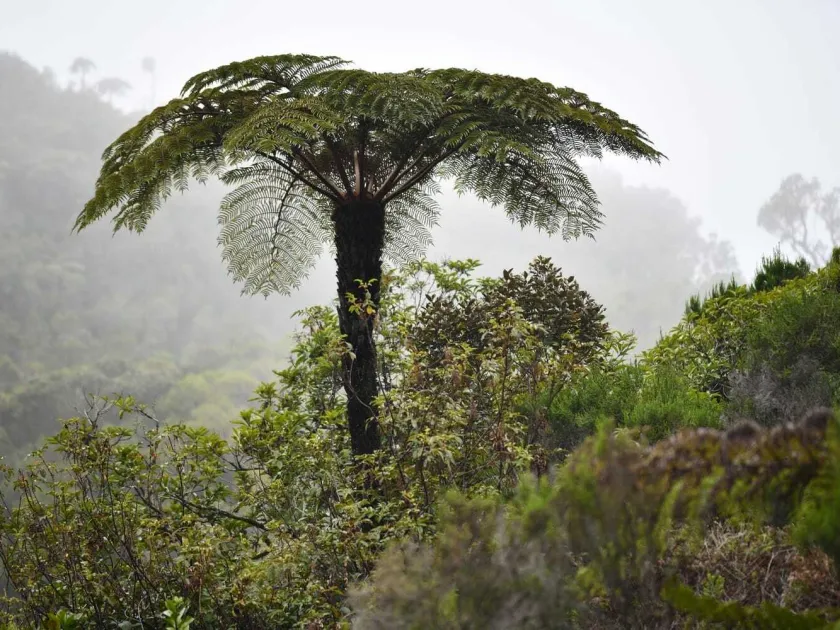
Alsophila celsa is a prominent species within the Cyatheaceae family, commonly known as a type of tree fern. Naturally found in tropical rainforest environments, it develops a robust trunk and large, arching fronds that provide it with its majestic structural form.
Soil requirements for this species are specific: it demands a well-draining, nutrient-rich, and slightly acidic medium. An ideal substrate often includes a mix of peat, bark, and perlite to ensure optimal gas exchange at the root level while maintaining consistent hydration.
Light levels should be carefully managed; Alsophila celsa thrives in bright but indirect or filtered light. Direct sun exposure is detrimental and can quickly cause necrosis of the sensitive tissue in the fronds, especially in controlled greenhouse environments.
Climatic conditions for this fern must remain consistent, with temperatures typically staying between 18°C and 25°C. High humidity levels, ideally above 70%, are essential for the health of the plant, requiring frequent misting or automated irrigation systems in indoor settings.
The economic value of this plant is primarily ornamental. It is highly sought after by botanical gardens and collectors for its unique aesthetic contribution to tropical landscape design, though it remains a specialty crop due to its slow growth and complex maintenance needs.
Main diseases and pests
Scale insects are a common pest for tree ferns. They attach themselves to the stems and fronds, draining the plant's resources. Manual removal or the use of systemic insecticides is often necessary to control severe infestations.
Mealybugs can be problematic, often hiding in the crevices of the trunk or at the base of the fronds. These pests produce a cotton-like secretion and can be effectively managed with targeted horticultural oils or specialized insecticides.
Root rot is the most serious threat caused by improper watering techniques. If the growing medium remains waterlogged, the roots suffocate and decay, leading to the rapid decline of the entire plant structure.
Spider mites thrive in conditions where ambient humidity is allowed to drop too low. They cause the fronds to yellow and take on a speckled appearance, significantly reducing the visual appeal and photosynthetic capacity of the fern.
Maintaining air circulation is crucial to prevent the onset of fungal leaf spots. Good ventilation, combined with clean water management, ensures that the plant remains resilient against pathogens that affect tropical foliage.