
Alsophila sinuata
Alsophila sinuata
Description
Growing requirements
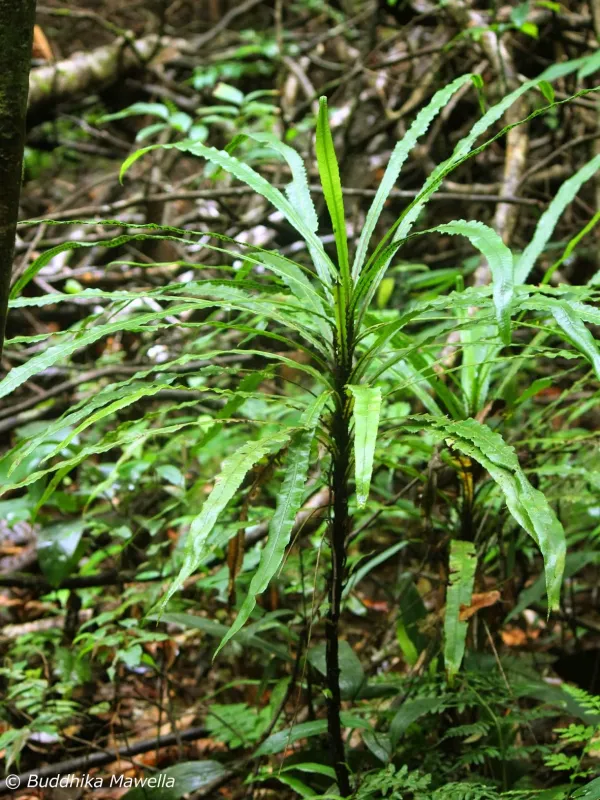
Alsophila sinuata is a distinctive species of tree fern belonging to the Cyatheaceae family. It is renowned among botanists for its unique morphology, characterized by singular, pinnate fronds that differ significantly from the dissected leaves of other tree ferns.
The species is native to the tropical rainforests of Sri Lanka. In its natural habitat, it thrives under the dense forest canopy, requiring filtered sunlight and a highly humid environment to maintain its physiological functions and leaf turgor.
For cultivation purposes, a specialized substrate is essential. It must be highly porous, slightly acidic, and rich in organic matter. Growers often use a mix of peat, bark, and perlite to ensure optimal drainage and aeration for the delicate root system.
Environmental requirements are strict regarding temperature and humidity. The plant requires a consistent temperature between 18°C and 25°C. Any exposure to cold drafts or low humidity will lead to rapid leaf browning and potential plant loss.
Economically and horticulturally, this plant is strictly for ornamental use in professional conservatories and elite collections. Due to its slow growth rate and specific environmental demands, it is not cultivated on a commercial scale for general retail.
Main diseases and pests
Scale insects and mealybugs are the most common pests that affect Alsophila sinuata. These pests tend to colonize the base of the fronds and the underside of leaflets, causing significant stress to the plant.
Spider mites represent a major threat when humidity levels drop below the required threshold. These tiny arachnids thrive in dry conditions and can cause severe damage to the foliage in a short period of time if not monitored closely.
Root rot is the most prevalent disease, caused by overwatering or the use of poorly draining soil substrates. Once the root system begins to decay, recovery of the plant is rarely successful, highlighting the importance of careful irrigation.
Fungal leaf spot diseases may appear if there is inadequate air circulation in the growing environment. Moisture lingering on the leaves provides an ideal breeding ground for pathogenic fungi, which manifest as discolored blotches on the fronds.
Effective management requires a proactive approach: regular cleaning of the fronds, maintaining a stable microclimate, and the prompt removal of any infected plant parts using sterile pruning tools to prevent the further spread of infections.