
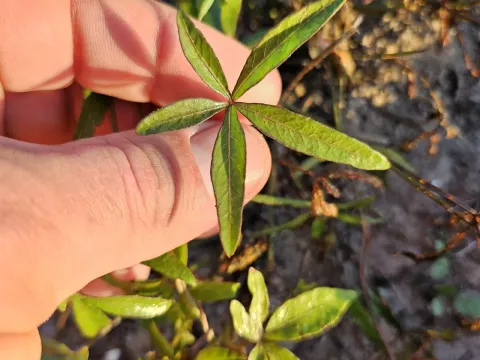
Quamoclit
Quamoclit
Quamoclit, commonly known as cypress vine, belongs to the Convolvulaceae family. It is a vigorous, fast-growing climbing plant often used for vertical landscaping in warm climates.
What the section contains
Quamoclit
In regions with short summers, it is essential to start seeds indoors 4 to 6 weeks before the last frost. The seeds should be planted in biodegradable pots to minimize root disturbance.
For outdoor sowing, wait until the soil is consistently warm, as Quamoclit seeds will rot in cold, wet ground. Soaking seeds in lukewarm water overnight can significantly improve germination rates.
Seedlings should be kept in a sunny, warm location with temperatures around 20-25 degrees Celsius. Gradual acclimatization to outdoor conditions is necessary before transplanting.
When transplanting, handle the root ball with extreme caution. The plant is notoriously sensitive to transplant shock, and careful handling ensures faster establishment in the garden.
Quamoclit thrives in full sun. While it can tolerate partial shade, maximum flowering and rapid growth are achieved only in locations receiving direct sunlight throughout the day.
The ideal soil is sandy, well-draining, and moderately fertile. It performs poorly in heavy clay soils that retain excessive moisture and may lead to root rot.
Regular watering is necessary, especially during peak summer heat. However, the top layer of the soil should be allowed to dry slightly between waterings to ensure aeration.
Provide a sturdy trellis, netting, or wire system for support. The plant is a climber that naturally reaches heights of several meters, so the structural support is vital.
Fertilizing with a balanced liquid fertilizer every few weeks during the growing season will promote continuous blooming and vibrant, dense foliage development.
Aphids are the most common pests affecting Quamoclit. They tend to colonize the tender tips and underside of the leaves, causing curling and stunted growth.
Spider mites can be a significant issue in dry, hot weather. Infested leaves will show tiny yellow spots and may drop prematurely if the pest population remains unchecked.
Root rot is the primary disease concern, typically linked to overwatering or poor drainage. Ensuring the soil is light and well-draining is the best preventative strategy.
Mildew can occur in crowded plantings with poor air circulation. Proper spacing between individual plants is necessary to keep the foliage dry and healthy.
Monitoring for signs of distress is key. Using insecticidal soaps or neem oil is usually effective for managing minor pest outbreaks without harming the plant's delicate tissues.