
Seddera
Seddera
The genus Seddera belongs to the Convolvulaceae family. These are primarily perennial herbaceous plants or subshrubs, highly adapted to the extreme conditions of arid zones.
What the section contains

Seddera
The natural distribution range covers the dry regions of Africa, the Arabian Peninsula, and parts of Asia. The plant evolved under conditions of severe moisture deficiency and high temperatures.
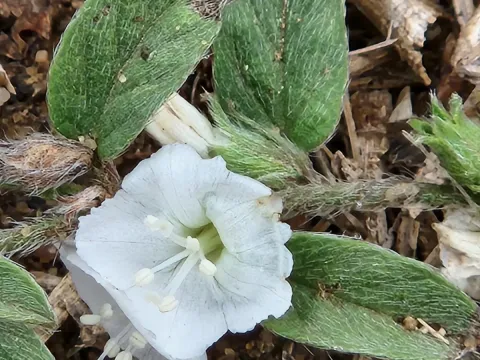
Botanically, the genus is characterized by a taproot system capable of penetrating deep into soil horizons. The stems are often pubescent, which serves as a protective mechanism against intense moisture evaporation under direct sunlight.
Seddera prefers well-drained sandy or rocky soils, which are typical for desert and semi-desert habitats. The plant exhibits exceptional resistance to salinity and low humus content in the substrate.
In its natural habitat, seddera acts as a soil cover stabilizer, preventing wind erosion in open areas. Its physiological cycles are closely tied to seasonal rainfall patterns.
In the wild, plants of the genus Seddera are susceptible to specific pests typical of the Convolvulaceae family. These include various species of leaf beetles and aphids that feed on succulent young shoots during the growing season.
Fungal diseases are rare in arid zones due to low air humidity. However, if introduced into irrigated agricultural systems, there is a risk of root rot development due to waterlogging.
Seddera can suffer from infestation by parasitic plants, such as certain species of dodder (Cuscuta), which also belong to the Convolvulaceae family and can use seddera as a host plant.
The anthropogenic factor remains the primary threat: overgrazing leads to the degradation of seddera populations in pastoral regions of Africa and Arabia. This reduces the species diversity of these ecosystems.
Climate change, leading to more pronounced desertification, threatens the natural habitats of the genus. Monitoring population health is essential for preserving the genetic pool of this drought-tolerant species.