
Polymeria
Polymeria
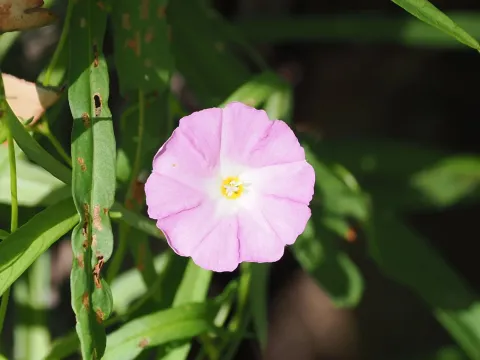
Polymeria is a genus of perennial herbaceous plants within the Convolvulaceae family, primarily native to the diverse landscapes of Australia.
What the section contains

Polymeria
Sowing should be scheduled to coincide with the beginning of the warming season, as these plants require substantial soil temperatures for effective germination.
Seeds are best planted in a fine-tilled, well-draining substrate at a shallow depth to ensure adequate warmth and oxygen access during the early developmental phase.
The establishment period requires careful monitoring, as seedlings are sensitive to surface crusting and erratic moisture levels in the initial weeks.
Spacing should be optimized based on the specific species variety to ensure that plants receive sufficient light and air circulation to prevent overcrowding.
These plants are highly adapted to full-sun environments and perform best in sites that are not obstructed by large trees or structures that cause heavy shading.
Regarding soil preferences, Polymeria is versatile but excels in sandy or sandy-loam soils that facilitate deep root penetration and prevent waterlogging.
The genus displays remarkable drought tolerance, which is supported by its ability to store resources and maintain metabolic functions during water stress.
Maintaining a neutral soil pH is beneficial for nutrient uptake; extreme soil acidity or alkalinity can inhibit the growth of the root nodules and overall biomass.
Optimal growth temperatures typically range from 20 to 30 degrees Celsius, reflecting its natural evolution in arid and semi-arid Australian climatic conditions.
The most common disease risks associated with this genus include root and crown rots caused by soil-borne fungi, especially if drainage is inadequate.
Foliar diseases such as powdery mildew can become a concern during periods of high humidity combined with stagnant airflow, necessitating improved site management.
Insect pests such as aphids and spider mites can cause damage, particularly in stressed plants or during prolonged periods of hot, dry weather.
Integrated Pest Management (IPM) practices are highly recommended to monitor populations and target outbreaks before they escalate into crop-wide issues.
Weed competition during the seedling stage can significantly reduce survival rates, necessitating clean cultivation or the use of light mulching techniques.
Harvesting for seed production is a precise operation that must be timed with the maturation of seed capsules to prevent shattering and loss in the field.
When utilized for forage, mowing should be performed prior to the plant reaching full lignification to maximize digestibility and protein content for livestock.
Post-harvest handling requires rapid drying to preserve the quality of the biomass and prevent the onset of spoilage from microbial or fungal activity.
Large-scale operations benefit from mechanical harvesting using header attachments that can be adjusted to minimize soil disturbance and damage to plant crowns.
Properly cured and stored forage can be a valuable supplement in pastoral systems, provided it is kept in dry, well-ventilated storage areas.