
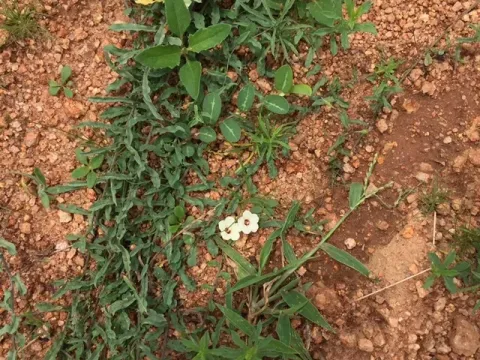
Merremia tridentata
Merremia tridentata
Merremia tridentata is a perennial tropical herbaceous plant, primarily thriving in warm, frost-free climates. Seeds should be sown in a well-draining substrate when temperatures are consistently above 20°C.
What the section contains
Merremia tridentata
Plant seeds at a shallow depth of approximately 1–2 centimeters to ensure adequate oxygen availability. Maintaining constant soil moisture is critical during the germination phase to support successful seedling emergence.
For commercial cultivation, a nursery-based approach is recommended. This allows young plants to develop strong root systems in a controlled environment before being transplanted to the main production fields.
In tropical agricultural settings, sowing is typically synchronized with the onset of the rainy season to capitalize on natural irrigation. Greenhouse production allows for year-round sowing if proper environmental control is maintained.
Seed quality and freshness are paramount, as viability decreases significantly over time. Pre-soaking seeds in a growth-promoting solution can improve germination rates and uniformity in crop stands.
As a member of the Convolvulaceae family, this species is known for its prostrate or climbing habit. It requires full sun exposure to maintain optimal physiological activity and high concentrations of active compounds.
The plant performs best in light, sandy-loam soils that provide excellent drainage. Waterlogging is detrimental and must be avoided to prevent root and crown rot, which are common in heavy, clay-based soils.
An ideal soil pH range for Merremia tridentata is between 6.0 and 7.5. While the plant shows decent drought tolerance, consistent and moderate irrigation is necessary for high-biomass production.
The plant thrives in temperatures between 22°C and 30°C. Growth significantly slows down when temperatures drop below 10°C, making the crop highly sensitive to cold weather and frost damage.
Effective weed management is essential during the establishment phase, as the young plants are poor competitors. Once the canopy closes, the plant becomes more effective at suppressing weed growth.
The primary economic focus for Merremia tridentata is the harvesting of aerial biomass for medicinal use. Yield levels are significantly influenced by planting density, light availability, and soil fertility management.
Well-managed stands can produce high amounts of dried biomass per hectare. Commercial production levels vary depending on local environmental conditions and the specific harvesting schedule implemented by the grower.
Optimal yields are achieved when harvesting occurs during the peak flowering phase, as this is when the concentration of bioactive compounds is highest in the leaves and stems.
Sustainable harvesting practices, including proper cutting height and rotational harvesting, allow the plants to regenerate quickly. This enables multiple harvests within a single growing season.
Post-harvest handling is critical to maintaining high-quality product standards. Efficient drying methods that preserve the integrity of the plant tissues are essential for meeting medicinal processing requirements.
Aphids are the most common pests, often attacking young shoots and buds. These insects cause leaf curling, stunted growth, and can serve as vectors for various plant viruses if left unmanaged.
Powdery mildew is a prevalent fungal disease that occurs under conditions of high humidity and poor ventilation. It manifests as a white, dusty layer on the foliage, interfering with photosynthesis.
Root rot diseases present a significant risk, particularly in poorly drained soils. These pathogens can rapidly decimate a crop, causing sudden wilting and permanent plant failure in affected areas.
Soil-borne nematodes can cause root system damage, significantly reducing the plant's ability to absorb water and nutrients. Preventive measures, such as soil rotation and sanitation, are key to long-term health.
Given the medicinal nature of the crop, biological control methods are preferred over synthetic pesticides to ensure the safety and purity of the harvested raw material for consumers.
Harvesting is typically performed using sharp tools to ensure clean cuts. Maintaining a minimum cutting height of 5–10 centimeters from the ground level is vital to protect regrowth points.
Harvested material should be cleaned of any weeds or organic debris immediately. Harvesting should occur on dry, sunny days after morning dew has evaporated to prevent excessive moisture during processing.
Transporting fresh material to the processing facility must be done quickly to avoid the onset of fermentation or spoilage within the piles, which can severely impact product quality.
Controlled drying in shaded, well-ventilated areas or specialized ovens (not exceeding 45°C) is required. This slow-drying process is necessary to retain volatile organic acids and active botanical compounds.
Final storage must be in airtight, moisture-proof containers in a cool, dark environment. This prevents degradation of active ingredients and ensures long-term stability and efficacy of the medicinal product.