
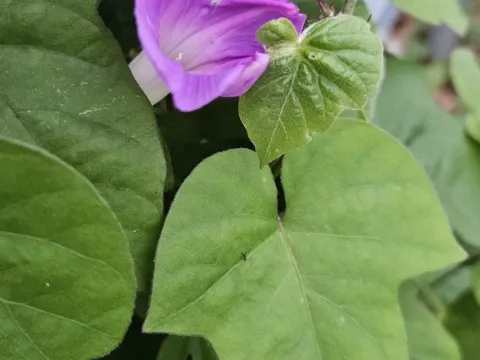
Morning glory
Pharbitis
Pharbitis, scientifically known as Ipomoea, belongs to the Convolvulaceae family. Direct seeding in the open garden is performed once all frost danger has passed and the soil has warmed up, typically in late May.
What the section contains
Morning glory
Since the seeds have a hard seed coat, soaking them in warm water for 24 hours prior to planting significantly improves germination rates. Seeds should be sown at a depth of approximately 1 to 2 centimeters.
For container or indoor starting, sowing occurs in April using peat pots. This method is preferred because the plant has a sensitive taproot system that does not tolerate transplanting shocks well.
Consistent soil temperature around 20–22°C is essential for quick germination. Once seedlings emerge, they require maximum light exposure to prevent spindly growth and ensure healthy stem development.
Spacing is critical for the long-term health of the plant. A distance of 25 to 30 centimeters between individual plants is recommended to allow for adequate airflow and to prevent fungal issues.
Morning glory requires a sunny location with at least 6 to 8 hours of direct sunlight daily. While it can handle partial shade, full sun is necessary for abundant and vibrant blooming.
The soil should be fertile, well-draining, and rich in organic matter. While the plant can adapt to various soil types, waterlogged, heavy clay soils are detrimental to its root health.
Regular watering is required during the growing season, especially during hot spells. However, the soil should be allowed to dry slightly between waterings to prevent root rot.
As a climbing vine, Pharbitis requires a sturdy support system. Trellises, wire fences, or mesh nets are ideal to encourage upward growth and maximize its ornamental potential.
Fertilization should be handled carefully; while young plants benefit from balanced nutrients, high-nitrogen fertilizers later in the season will lead to lush foliage at the expense of flowers.
White rust is a common fungal disease appearing as white, raised spots on the underside of leaves. Improved air circulation and fungicides are the primary management strategies.
Spider mites are prevalent in hot, dry conditions. They suck sap from the leaves, causing a stippled or yellowing appearance. Regular misting can help deter their population growth.
Aphids can cause significant damage to new shoots and flower buds. Insecticidal soaps or neem oil are effective organic solutions for controlling aphid infestations early in the season.
Fungal leaf spots can occur when foliage remains wet for extended periods. Avoiding overhead irrigation and keeping the leaves dry helps prevent these infections from spreading.
Root rot occurs primarily due to poor drainage or overwatering. Once established, it is difficult to treat, so preventative measures such as soil aeration and drainage are crucial.