
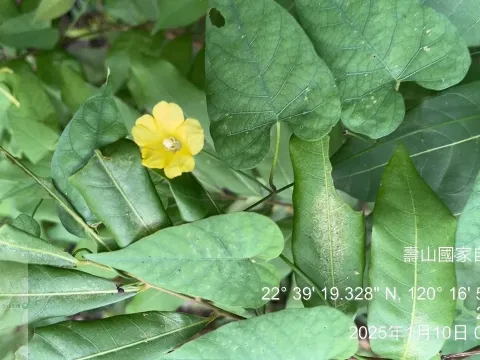
Merremia
Merremia
Propagation of Merremia is typically achieved through seeds, which require specific preparation and controlled environmental conditions to ensure uniform germination rates.
What the section contains


Merremia
The sowing process is conducted in warm, well-lit indoor environments, as seeds are highly sensitive to soil temperature fluctuations during the critical early stages.
Preparing the soil involves using a sterile, well-draining potting mix that retains moisture without becoming waterlogged, supporting healthy root development.
Seedlings should be monitored closely for growth progress and transitioned to individual containers once they reach a sufficient size to handle transplanting procedures.
Hardening off the plants before transferring them to permanent outdoor locations is essential to prevent shock and ensure acclimation to natural sunlight and wind.
Merremia, a genus belonging to the Convolvulaceae family, thrives in tropical and subtropical regions characterized by consistently warm temperatures and high humidity.
The plant requires full sun exposure to maintain vigorous vegetative growth, though it can tolerate light shade during periods of intense afternoon heat.
Soil quality is paramount for this culture; it prefers sandy loam or rich, loamy soils that possess excellent drainage properties to prevent root suffocation.
Water management entails consistent irrigation to keep the root zone slightly moist, yet it is crucial to avoid any form of stagnant water in the soil profile.
As a climbing vine, Merremia requires a robust trellis system or natural supports, allowing the plant to spread its foliage effectively and capture maximum light.
Spider mites are the primary pests affecting Merremia, especially in greenhouse conditions where low humidity favors their rapid reproduction and infestation of leaves.
Root rot pathogens represent a severe biological threat, often triggered by over-irrigation or planting in poorly drained soil types, leading to structural collapse.
Aphids often target young shoots and developing flower buds, resulting in stunted growth and the potential transmission of mosaic viruses that damage the plant.
Fungal diseases like powdery mildew can appear if airflow is restricted, highlighting the need for proper plant spacing and consistent ventilation strategies.
Integrated pest management, including early detection and the use of targeted biological controls, is essential for maintaining the health and vigor of this vine.