
Falkia
Falkia
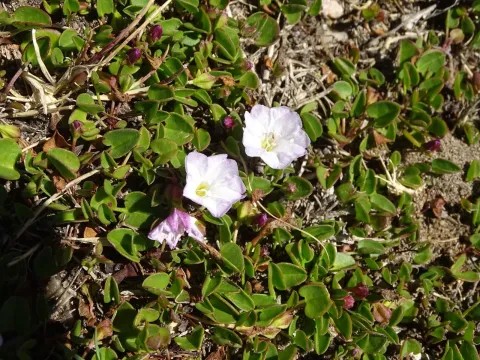
Falkia is a genus of perennial herbaceous plants belonging to the Convolvulaceae family. Native to South Africa, these plants are widely recognized for their spreading, low-growth habit, making them excellent candidates for groundcover.
What the section contains

Falkia
The plant thrives in full sun exposure. Adequate light is essential for maintaining the compact shape and promoting healthy flower production throughout the growing season.
Regarding soil requirements, Falkia prefers well-drained, sandy, or loamy soils. Drainage is a critical factor, as the roots are highly susceptible to rot if exposed to waterlogged conditions for extended periods.
The climate requirements for Falkia are centered on temperate to warm conditions. While it can handle mild coastal breezes, it is generally frost-sensitive and requires protection or indoor overwintering in regions with freezing winter temperatures.
Maintenance involves routine watering during dry spells to ensure consistent moisture levels, though the plant is relatively drought-tolerant once established. It does not require intensive fertilization, as it can adapt to poor soil fertility.
The primary threat to the health of Falkia is soil-borne fungal pathogens, especially under conditions of excessive moisture and poor air circulation, which often lead to root and crown rot.
Powdery mildew can occasionally affect the foliage if the plant is grown in areas with high humidity and lack of ventilation. Proper spacing during planting is a key preventive strategy to mitigate this risk.
Common garden pests such as aphids often congregate on the succulent stems, draining nutrients and inhibiting the overall vigor of the plant. Monitoring for early signs of infestation is crucial.
Snails and slugs are opportunistic pests that can cause significant damage to the lush foliage of the plant, especially in shaded or moist garden settings where these mollusks thrive.
To keep the plants healthy, it is recommended to clean the planting area of debris, ensure proper sunlight penetration, and apply appropriate pest control measures if signs of damage become visible.