
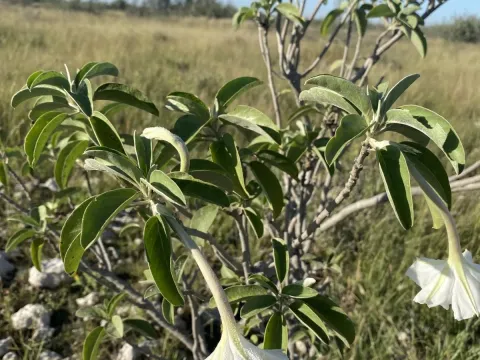
Ipomoea adenioides
Ipomoea adenioides
Ipomoea adenioides is an intriguing member of the Convolvulaceae family, characterized by its impressive caudex-forming habit. Unlike common vining ipomoeas, this species has evolved to survive in arid environments by storing reserves within its thickened stem base.
What the section contains
Ipomoea adenioides
Originating from the dry landscapes of Africa, this plant requires specialized cultivation techniques to thrive outside of its native habitat. It demands bright, filtered light and should never be exposed to harsh, scorching sunlight for prolonged periods during the day.
The choice of growing medium is critical for the success of this crop. A highly porous and well-draining mineral-based substrate is required to mimic its natural rocky environment and to prevent the risk of saturation that leads to plant failure.
Temperature management should follow seasonal patterns: during the active growth period, temperatures between 22 and 28 degrees Celsius are optimal. During the winter dormancy phase, the plant requires cooler temperatures to rest properly.
Watering practices are governed by the substrate moisture levels. Always ensure the soil is completely dry before providing water, as excessive moisture in the root zone is the primary cause of health issues for this caudiciform specimen.
The primary threat to the health of Ipomoea adenioides is root and caudex rot, which is almost exclusively caused by overwatering or poor drainage. Once rot sets in, it spreads quickly throughout the succulent tissues, often leading to total loss.
Spider mites are the most common insect pests, particularly in dry environments where the plant is kept. These pests suck the sap from the leaves, causing discoloration and eventual drop if not treated with appropriate acaricides.
Mealybugs can also infest the plant, hiding in the crevices of the caudex or the leaf axils. Regular monitoring and spot treatments with systemic insecticides or neem oil are recommended to keep the population under control.
Fungal leaf spot diseases can occur if the foliage is kept moist for too long or if there is poor air circulation. Proper spacing between plants and good ventilation are essential preventive measures to maintain plant hygiene.
Monitoring the firmness of the caudex is the best way to detect early signs of stress. If the base feels soft or displays any unusual spots, immediate adjustments to the watering regime and soil aeration are required to save the plant.