
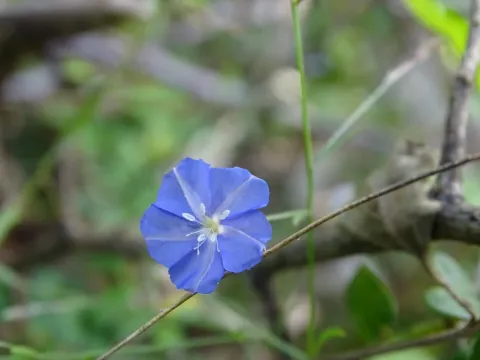
Evolvulus tenuis
Evolvulus tenuis
Evolvulus tenuis is a perennial herbaceous plant belonging to the Convolvulaceae family. Unlike many of its trailing relatives, this species maintains a relatively compact habit, characterized by thin, pubescent stems and delicate foliage.
What the section contains
Evolvulus tenuis
Native to the tropical regions of South America, this plant is well-adapted to high light intensities and open environments. It requires full sun exposure to maintain its structural integrity and encourage continuous flowering throughout the growing season.
In terms of soil requirements, Evolvulus tenuis prefers well-draining, sandy-loam substrates with a neutral to slightly acidic pH. Proper drainage is essential to prevent waterlogging, which the plant is highly susceptible to.
The climate requirements are strictly tropical or subtropical; the species is sensitive to frost and cold stress. It thrives in temperatures ranging from 20°C to 30°C and demonstrates good resilience to periods of mild drought once established.
Commercially, this plant is valued for its ornamental versatility. It is widely used in landscape design as a groundcover or as a decorative element in hanging baskets and containers, where it provides a refined texture to garden compositions.
The primary threats to Evolvulus tenuis are fungal pathogens, specifically root rot (Phytophthora spp.), which occur when the plant is kept in overly wet or poorly aerated soil conditions.
Pest pressure mainly comes from sap-sucking insects like spider mites and mealybugs. These pests can rapidly proliferate in dry, indoor environments or overcrowded greenhouse conditions, damaging the aesthetic quality of the foliage.
Agronomic management of these threats focuses on preventative measures, such as providing adequate spacing between plants to improve airflow and avoiding overhead irrigation that leaves foliage damp for extended periods.
Chemical control, including the use of systemic fungicides or specific miticides, is recommended only after positive identification of the pathogen or pest species to ensure targeted treatment.
Regular sanitation, including the removal of dead or decaying plant tissue, is a fundamental cultural practice that reduces the inoculum load of diseases and helps maintain overall plant vigor.