
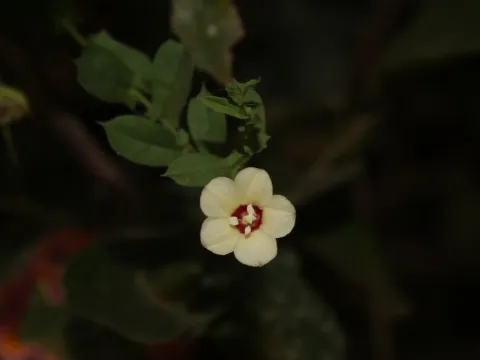
Xenostegia
Xenostegia
Xenostegia is a genus of flowering plants within the Convolvulaceae family, closely related to the genus Ipomoea. These plants are native to tropical and subtropical regions across Africa, Asia, and northern Australia, often growing in open habitats or scrublands.
What the section contains


Xenostegia
The culture thrives in warm climates and requires high levels of solar radiation to maintain active photosynthesis and healthy growth. It is intolerant to frost, making it suitable only for outdoor cultivation in tropical zones or as a controlled-environment crop elsewhere.
Soil requirements for Xenostegia include well-drained, porous earth with moderate organic matter content. The roots are prone to rot if the medium remains waterlogged for extended periods, necessitating a focus on proper substrate management.
Regarding moisture, the plant requires consistent but moderate watering. Over-saturation of the soil is more dangerous to the plant than brief periods of drought, which the species can often tolerate due to its physiological adaptations.
Agricultural and ethnobotanical utility of certain species, such as Xenostegia tridentata, revolves around their traditional medicinal properties and potential use as ornamental or ground-cover vegetation.
The primary diseases affecting Xenostegia include various fungal pathogens like powdery mildew, which flourish under conditions of high humidity and poor atmospheric circulation.
Pest management should focus on mitigating infestations of mites and aphids, which frequently target the soft leaf tissues during the warmer parts of the growing season.
Root rot, often caused by Phytophthora or Pythium species, remains a significant threat if irrigation schedules are not strictly optimized to allow for soil aeration.
Proactive monitoring is essential; regular inspections of the underside of leaves can help identify pests before they reach a threshold requiring chemical intervention.
Cultural control methods, such as maintaining optimal plant spacing, are highly recommended to ensure adequate light penetration and ventilation, thereby reducing disease pressure.