
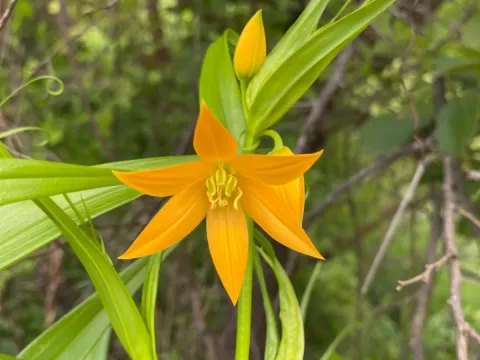
Littonia modesta
Gloriosa modesta
Littonia modesta, a member of the Colchicaceae family, is a unique tuberous plant native to Southern Africa. Propagation is typically achieved through seeds sown in early spring in a sterile, well-draining potting medium.
What the section contains
Littonia modesta
Seeds require a warm environment, ideally between 20°C and 25°C, to germinate successfully. It is recommended to keep the sowing container covered to maintain consistent humidity until emergence.
Vegetative propagation is more common, involving the planting of tubers in the spring once all risk of frost has passed. Tubers should be placed at a depth of 5 to 10 centimeters.
Choosing a location with adequate support, such as a trellis or netting, is crucial as the climbing stems of the plant require structure to reach their full potential.
Patience is required during the initial growth phase, as the plant develops its root system before producing the characteristic, bell-shaped flowers.
Littonia modesta thrives in bright, indirect light. Direct sunlight can scorch the foliage, while insufficient light leads to weak, elongated stems that fail to bloom effectively.
The ideal soil is a porous, fertile mixture rich in organic matter. A peat-based or coco-coir-based compost with added perlite ensures the excellent drainage required to keep the tubers healthy.
Watering should be conducted with care: the substrate should remain consistently moist during the growth season, but never waterlogged. Always allow the top layer of soil to dry slightly between waterings.
During the dormant season, which follows the senescence of the foliage, the tubers must be kept dry and cool. A temperature range of 10°C to 15°C is sufficient to maintain the plant until spring.
Regular fertilization with a balanced liquid fertilizer during the active growing phase will support the development of vibrant, yellow-to-orange flowers.
The primary threat to Littonia modesta is tuber rot, usually resulting from overwatering or poorly draining soil. This fungal issue can decimate a collection if not caught early.
Spider mites are the most persistent pest, particularly in controlled environments with low humidity. They typically manifest as fine webbing on the undersides of leaves.
Thrips and aphids may also attack the tender new growth. Regular inspection and the use of appropriate insecticidal soaps or horticultural oils can help manage these infestations effectively.
To prevent disease outbreaks, it is vital to avoid overhead watering, which promotes the growth of foliar fungi and bacteria on the plant's delicate tissues.
Maintaining a clean growing area and promptly removing any yellowing or dead foliage helps ensure the overall vitality and disease resistance of the crop throughout the season.