
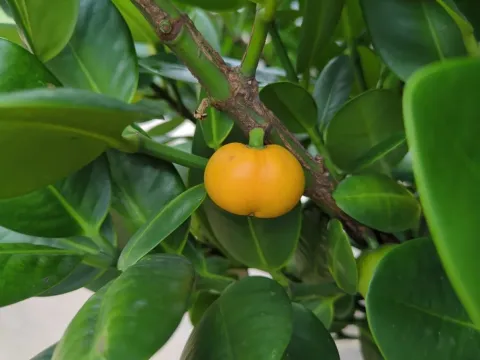
Garcinia subelliptica
Garcinia subelliptica
Garcinia subelliptica is an evergreen tree species belonging to the Clusiaceae family. Native to tropical regions such as Taiwan, the Philippines, and the Ryukyu Islands, it is known for its high resilience to harsh coastal environments.
What the section contains
Garcinia subelliptica
The climate requirements for this species are strictly tropical, necessitating high temperatures throughout the year. It does not tolerate frost and thrives best in areas with consistent humidity levels and minimal seasonal fluctuations.
Soil quality should prioritize drainage; while the tree is tolerant of salt spray and various coastal soils, it prefers fertile, well-draining substrates to prevent root issues. Light exposure should be full sun to partial shade for optimal growth rates.
Botanically, the tree is recognized for its dense, dark green, and leathery foliage. Its growth habit is naturally compact and pyramidal, making it a functional choice for windbreaks in maritime plantations.
Agronomic management involves regular irrigation during establishment and periodic fertilization to sustain its thick canopy. Pruning is usually minimal unless the tree is being shaped for landscaping or industrial utility purposes.
The primary threats to Garcinia subelliptica are fungal pathogens triggered by high soil moisture levels and poor aeration within the canopy layer.
Common pests include scale insects and mealybugs, which feed on the sap of young leaves and shoots, potentially stunting growth if left untreated.
Root rot is a significant risk in poorly drained sites, often caused by stagnant water around the root zone during monsoon or heavy rain periods.
Effective pest management relies on keeping the tree environment clean and utilizing horticultural oils or systemic insecticides when infestation levels exceed economic thresholds.
Integrated disease management practices, such as pruning for air circulation and ensuring proper soil drainage, are essential to maintain the longevity and health of the tree population.