
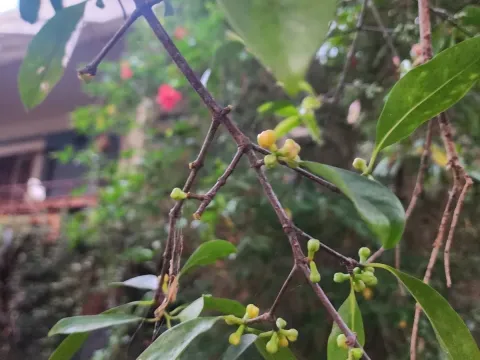
Kokum
Garcinia indica
Kokum (Garcinia indica) is an evergreen tree belonging to the Clusiaceae family. It is native to the tropical rainforests of the Western Ghats in India, where it thrives in high-humidity environments with distinct monsoon patterns.
What the section contains
Kokum
The crop is highly climate-sensitive and requires warm tropical conditions. The optimal temperature range for development is between 20°C and 35°C, with a preference for regions that do not experience extreme temperature fluctuations.
Regarding soil requirements, Garcinia indica performs best in well-drained, fertile soil types. It is naturally adapted to lateritic soils common in its native range but requires adequate soil depth to support its extensive root system.
Agricultural management includes shading young trees to prevent desiccation. Consistent irrigation is required during the initial years of establishment, especially in drier months, to ensure long-term vigor of the plantation.
The plant is commercially significant primarily for its seeds, which are processed to produce kokum butter. The fruit rinds are also highly valued for their acidity and are used globally in culinary applications and as a natural herbal remedy.
The yield of Garcinia indica is substantial once the tree reaches maturity, typically after 8 to 10 years of growth. A healthy, mature tree can produce significant quantities of fruit, contributing to stable income for farmers in suitable regions.
Common agricultural threats include pests such as aphids and scale insects, which target the foliage and young shoots. Regular monitoring and integrated pest management are recommended to maintain tree health.
Pathological issues often arise from high humidity, leading to fungal infections such as root rot. Proper orchard design, including adequate spacing and drainage, is essential to minimize the risk of soil-borne diseases.
Harvesting of kokum is a seasonal activity that takes place when fruits turn deep purple. Fruits are hand-picked to ensure quality, as damaged fruit can quickly succumb to microbial decay in the humid climate.
Post-harvest processing is critical: the rinds are dried and processed into spice, while the seeds are separated for oil extraction. The butter is extracted through crushing, forming a solid fat that is widely used in cosmetics and pharmaceuticals.