
Garcinia spicata
Garcinia spicata
The propagation of Garcinia spicata is primarily achieved through seeds in controlled nursery environments. Seeds lose viability quickly, so they should be sown immediately after extraction from the mature fruit.
What the section contains
Garcinia spicata
Optimal germination requires a consistent temperature range of 25–28°C. The growing medium must be well-drained and kept consistently moist without becoming waterlogged to ensure successful sprout development.
Once seedlings develop their first true leaves, they are transplanted into individual containers filled with a nutrient-rich soil mix. Protecting young plants from direct, harsh sunlight is crucial during the initial stages of growth.
Vegetative propagation via cuttings is also practiced, though it necessitates the use of rooting hormones and high-humidity chambers. This method ensures the uniformity of the plant characteristics within a plantation.
Seedlings are moved to their permanent location once they reach a robust height of 30–50 cm. Plantation density is typically managed to allow for future crown expansion and efficient airflow between trees.
Garcinia spicata is a member of the Clusiaceae family and is inherently adapted to humid tropical ecosystems. The plant thrives in environments characterized by high humidity and the absence of freezing temperatures.
The ideal soil for this species is fertile, organic-rich, and possesses excellent drainage capabilities. Slightly acidic to neutral soil pH levels are preferred for optimal nutrient uptake.
Consistent and abundant watering is required throughout the year, particularly during the growing season. Preventing the soil from drying out completely is essential for the health of the root system.
While the tree prefers abundant light, young specimens require partial shading to avoid foliage damage. Mature trees are more tolerant of full sun exposure provided that soil moisture remains sufficient.
Protection from strong winds is a necessary component of cultivation, as the tree’s leaves and new shoots are prone to mechanical damage. Windbreaks are often installed in open orchard settings.
The yield of Garcinia spicata depends heavily on the age of the tree and local environmental conditions. Generally, trees begin to produce fruit between 6 and 8 years after planting.
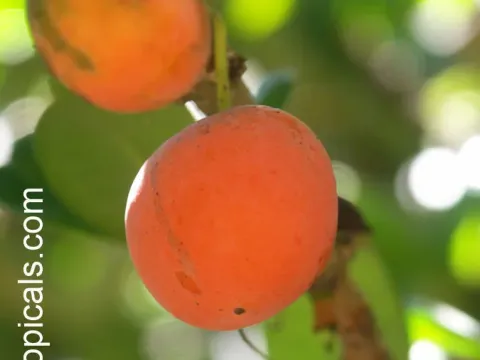
The fruit manifests as a round berry that shifts to an orange-yellow hue when ripe. The pulp is highly prized for its unique flavor profile, making it a valuable specialty crop.
To maximize fruit production, regular pruning is necessary to maintain a balanced canopy structure. This practice encourages the growth of fruiting wood and facilitates easier harvesting operations.
Fruit ripening can be staggered, requiring selective harvesting techniques throughout the season. Proper management ensures that the highest quality fruit is gathered at the peak of maturity.
Commercially, the harvest is utilized for fresh consumption or processed into juices and jams. Growing demand for exotic fruits continues to enhance the economic value of this crop.
Root rot caused by excessive soil moisture and poor drainage is the primary disease risk for Garcinia spicata. Implementing robust drainage systems is the most effective preventative measure.
Common pests such as mealybugs and scale insects frequently attack the foliage and succulent stems. These pests extract plant sap, leading to stunted growth and reduced overall vitality.
The use of integrated pest management, including biological controls or targeted insecticides, is recommended. Regular monitoring of the canopy is essential to catch infestations before they spread.
Anthracnose can affect leaves in high-humidity conditions. Maintaining good air circulation and removing affected branches promptly helps to manage the spread of fungal pathogens.
General tree health, supported by balanced nutrition and proper site management, provides the best natural defense against typical tropical plant diseases.
Harvesting is performed manually, with careful attention paid to the color and texture of the fruit. Ripe fruits are gathered individually to ensure quality and prevent bruising of the delicate peel.
Post-harvest handling is critical, as the fruit has a limited shelf life. Using ventilated crates for transportation helps to minimize spoilage and maintain freshness during the transition to market.
In large-scale operations, fruits are often processed immediately or subjected to cold storage to extend their utility. Quick-freezing the pulp is a common method for preserving flavor.
Following the harvest season, trees are given supplemental nutrition to aid in recovery and prepare for the next reproductive cycle. Pruning helps remove any damaged or unproductive wood.
Logistical efficiency is the cornerstone of successful harvesting, requiring skilled labor and proper timing to reduce waste. Ensuring the fruit reaches the consumer quickly maximizes market value.