
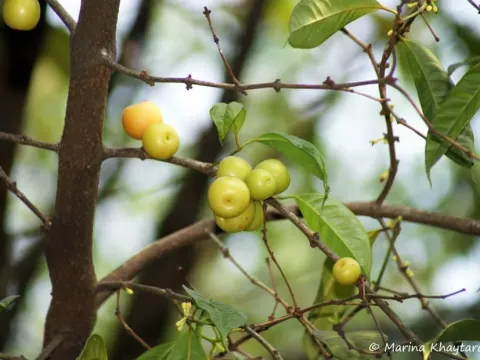
Garcinia parvifolia
Garcinia parvifolia
Garcinia parvifolia is a notable evergreen tree species belonging to the Clusiaceae family. Native to the humid rainforests of Southeast Asia, it thrives in tropical environments across Malaysia, Indonesia, and the Philippines.
What the section contains
Garcinia parvifolia
The cultivation of this species requires a warm, humid climate without significant temperature fluctuations. It is strictly a tropical plant that does not tolerate cold snaps or frost conditions.
Soil requirements involve deep, fertile, and well-draining substrates rich in organic matter. A slightly acidic to neutral pH level is ideal for nutrient uptake and root development.
Consistent rainfall or high-quality irrigation is necessary to maintain growth. Proper site selection must ensure that the tree is not exposed to waterlogged soil conditions, which can be detrimental to its root health.
The tree exhibits a dense canopy and coriaceous leaves, a common physiological adaptation that helps the species manage water loss and thrive under the specific light conditions of tropical forest layers.
The primary agricultural use of Garcinia parvifolia relates to its edible fruits, which are locally valued for their unique taste, frequently used in traditional cooking and regional diets.
These fruits are often prepared into spicy relishes, condiments, or jams, providing a distinctive flavor profile that complements traditional Southeast Asian cuisine.
Beyond culinary usage, the plant is valued for its potential medicinal properties, particularly within its bark and secondary metabolites, which are currently being studied for phytochemical applications.
The wood of the tree is recognized for its density and hardness, making it a viable material for specialized carpentry and the production of durable small-scale wooden items.
As interest in exotic tropical fruits grows, the potential for integrating Garcinia species into sustainable agroforestry systems continues to be a subject of agricultural research.
Common pests affecting Garcinia parvifolia include scale insects and mealybugs, which tend to congregate on young foliage and stems, impacting the overall vitality of the tree.
Fungal diseases are a persistent threat, especially in high-humidity climates, often manifesting as leaf spots or branch dieback when air circulation within the canopy is insufficient.
Agricultural management requires regular monitoring and thinning of the canopy to ensure proper light penetration and ventilation, which are critical for disease prevention.
Proactive care involves the removal of infected plant material and the maintenance of soil fertility to promote a robust immune system in the trees.
Integrated pest management strategies are generally preferred to minimize chemical input, preserving the delicate ecological balance of the plantation area.