
Garcinia prainiana
Garcinia prainiana
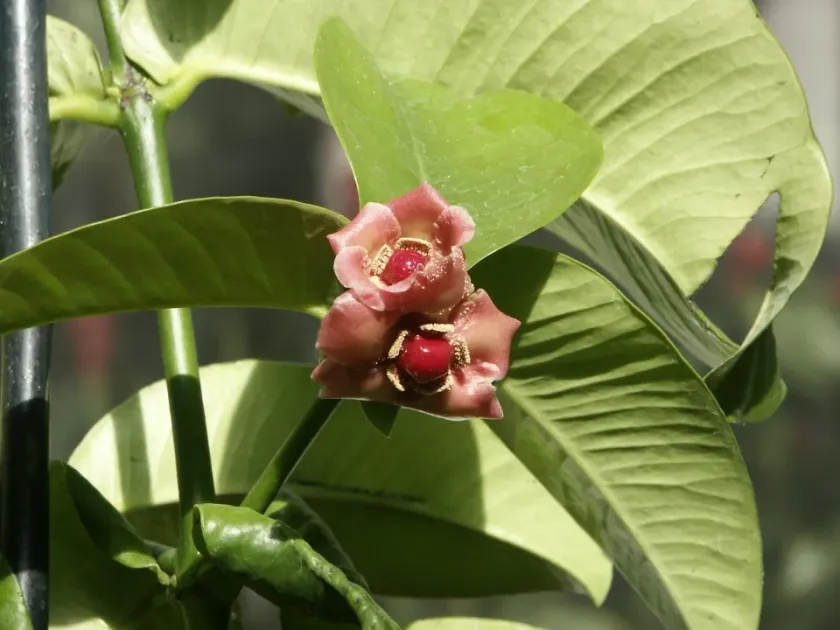
Description
Growing requirements
Garcinia prainiana thrives in a humid tropical climate with temperatures consistently ranging between 22 and 30 degrees Celsius. It is highly intolerant of cold temperatures and requires protection from any risk of frost or cold drafts.
The soil should be deep, fertile, and well-drained. The plant is particularly susceptible to waterlogging, which often leads to root rot. If the soil is heavy or clay-based, implementing a raised bed system or adding organic amendments is recommended.
Consistent moisture is necessary, particularly during the fruit development stage. While the tree needs high humidity, it also requires good air circulation around the canopy to prevent the buildup of moisture-related pathogens.
In terms of light, the tree prefers filtered sunlight. While mature trees can tolerate more sun, young saplings require partial shade to protect their tender leaves from solar radiation damage.
Regular fertilization with well-decomposed organic matter or a balanced NPK fertilizer is vital for sustained health. Magnesium and iron supplements are often required to prevent common chlorosis issues in tropical soils.
Main diseases and pests
The primary threats to Garcinia prainiana are fungal diseases, especially during the rainy season. Anthracnose can cause significant damage to the foliage and fruits, necessitating regular monitoring and appropriate fungicide application.
Pests such as mealybugs and scale insects frequently infest the stems and leaves. Their feeding weakens the plant and promotes sooty mold growth, which interferes with photosynthesis and overall tree vigor.
Root rot, often caused by poor drainage or overwatering, is a major concern. Once symptoms appear, it is difficult to salvage the plant, emphasizing the importance of preventive soil management and proper irrigation scheduling.
Fruit flies can cause substantial losses by laying eggs on ripening fruit. Implementing physical barriers like fruit netting is the most effective way to protect the crop without relying exclusively on chemical insecticides.
Nutrient imbalances, particularly magnesium deficiency, frequently result in interveinal chlorosis. Maintaining a steady pH balance in the soil is essential to ensure that micronutrients remain available for uptake.
Harvesting
The harvesting process begins when the fruits exhibit a uniform, bright orange color and a slightly softened texture. Fruit quality is highly dependent on timing, as early harvesting leads to acidic flavor, while overripe fruit becomes too fragile.
Manual harvest is mandatory for this crop. Each fruit must be clipped from the branch using sharp secateurs, leaving a portion of the stem attached to protect the delicate skin from tearing or rupture.
Because the fruits on a single tree do not ripen simultaneously, multiple harvest passes are required throughout the season. This labor-intensive process requires trained workers who can distinguish between mature and immature fruit.
Post-harvest handling is critical due to the extremely short shelf life of the fruit. Immediate placement in cool, shaded, and well-ventilated storage is necessary to prevent premature fermentation or mold development.
Packaging must protect the fruit from physical pressure. Small trays with individual cushioned compartments are ideal for minimizing handling damage during the transition from the farm to the local market.