
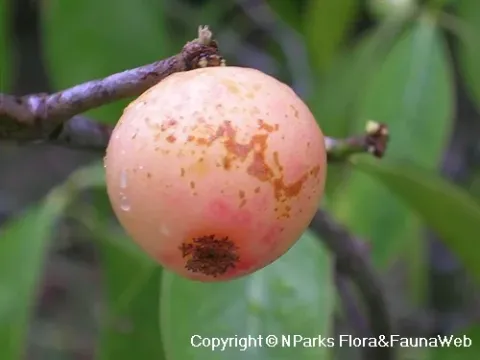
Garcinia nitida
Garcinia nitida
Garcinia nitida propagation is primarily achieved through seeds, which should be planted as soon as possible due to their recalcitrant nature. Fresh seeds have a high germination rate if handled immediately after extraction from the fruit pulp.
What the section contains
Garcinia nitida
The seeds are placed in a seedbed with a mixture of sand and organic mulch. This ensures moisture retention while preventing the seeds from rotting, which is a common risk in tropical conditions if the soil is too heavy.
Consistent temperatures around 27 degrees Celsius are crucial for optimal germination. Using a misting system or maintaining a covered environment helps to mimic the natural understory conditions of the forest floor.
Seedlings should be transferred to individual polybags once they develop their first set of true leaves. This transition phase requires careful handling of the delicate root system to ensure survival before outplanting.
Hardening off the seedlings is an essential step before they are moved to the permanent field. Exposing the plants to gradual light increases helps them build resilience for their future environment in the orchard.
Belonging to the Clusiaceae family, Garcinia nitida thrives in tropical environments characterized by high humidity and consistent rainfall. The tree is not frost-tolerant and requires a frost-free climate year-round to flourish.
Soil requirements include deep, well-draining loams that are rich in organic matter. While the tree can adapt to a range of soil types, it performs best in soils with a slightly acidic pH, typical of many tropical forest soils.
Water management is vital, especially during the early stages of growth. While mature trees develop a degree of drought resistance, consistent water supply during the flowering and fruit-set stages is required for optimal yields.
The crop prefers locations that offer filtered sunlight, particularly in its juvenile stages. As the tree matures, it can tolerate more direct exposure, though it continues to benefit from partial shade provided by intercropping systems.
Agronomic management involves regular mulching to suppress weeds and maintain soil temperature. Additionally, pruning the lower branches helps in maintaining tree health and improving air circulation throughout the canopy.
The yield of Garcinia nitida depends largely on the age of the tree and the specific environmental conditions of the plantation. Trees grown from seed typically take several years to reach their first productive cycle.
Fruit production is generally seasonal, coinciding with the end of the rainy periods. A mature, well-maintained tree can provide a steady supply of fruits, which are highly valued for their nutritional and culinary properties.
Management practices such as selective thinning and organic fertilization can significantly enhance the quantity and quality of the harvest. Consistent monitoring of nutrient levels ensures the tree has enough energy for fruit development.
The harvest period is determined by the color and firmness of the fruit. Proper harvesting techniques are necessary to avoid damaging the branches, which could affect the tree's future productivity and lifespan.
Although individual tree yields might vary, high-density plantings or agroforestry systems can stabilize the overall harvest. Success relies on balancing the biological needs of the tree with regular agronomic inputs.
Fungal pathogens represent the most significant threat to Garcinia nitida, particularly in environments with poor air circulation. Overly damp conditions often lead to leaf spotting and branch dieback caused by various fungal strains.
Insects like scale insects and aphids are common pests that feed on the sap of young shoots and leaves. If left unchecked, these pests can lead to stunted growth and serve as vectors for secondary viral infections.
Integrated Pest Management (IPM) is the recommended approach for controlling threats. This involves monitoring pest populations and utilizing biological controls or targeted, non-persistent pesticides to protect the yield.
Proper pruning and orchard hygiene are fundamental for preventing disease spread. Removing dead or diseased tissue promptly reduces the inoculant density in the orchard, protecting healthy neighboring trees from infection.
Lastly, nutrient deficiency can make the tree more susceptible to environmental stress and pests. A balanced fertilization program tailored to the specific soil chemistry is essential for maintaining the tree's innate resistance to threats.