
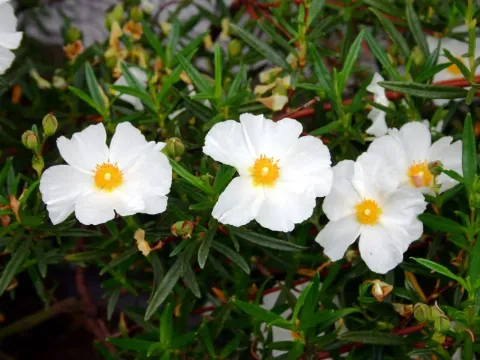
Cistus lepidocalyx
Cistus lepidocalyx
The propagation of Cistus lepidocalyx is best initiated in the spring when soil temperatures stabilize between 15–18 degrees Celsius. Using a well-draining, sandy-based seed starter mix is crucial for successful germination and root development.
What the section contains
Cistus lepidocalyx
Seeds should be sown shallowly and covered with a fine layer of sand. Maintaining constant but not excessive moisture is necessary until the seedlings emerge, after which the watering frequency should be gradually reduced to promote hardening.
Transplanting into the permanent location in the open field should occur after the final spring frost. Providing each plant with adequate spacing is vital to allow for healthy air circulation, which prevents the development of fungal pathogens during the growth stage.
Vegetative propagation via semi-hardwood cuttings is a reliable way to reproduce the species. Taking cuttings in late summer and placing them in a peat and perlite mix ensures a high rate of survival under protective plastic cover.
Young plants benefit from light mulching with gravel, which mimics their natural rocky habitat and protects the root collar from direct contact with damp soil during the first growing season.
Cistus lepidocalyx, a member of the Cistaceae family, thrives in full sun and requires an open location to maintain its compact habit. Shaded environments cause the shrub to become spindly and significantly diminish its flowering potential.
The soil must be neutral to slightly alkaline with excellent drainage properties. Like most rockrose species, it is highly intolerant of heavy clay or waterlogged soils, which invariably lead to root rot and eventual plant failure.
This species is exceptionally drought-tolerant once established. It is well-suited for Mediterranean-style landscapes where water conservation is a priority, needing supplemental irrigation only during prolonged, extreme heat waves.
A vital aspect of its maintenance is proper pruning, which should be done immediately after the flowering period ends. Removing spent blooms and slightly trimming the tips of the shoots helps keep the plant dense and encourages vigorous growth for the next year.
Fertilizer application should be kept to an absolute minimum. Excess nitrogen stimulates rapid, soft growth that is more susceptible to winter damage and pests; thus, relying on naturally lean soils is the best strategy for long-term plant health.
The primary use of Cistus lepidocalyx is in ornamental horticulture, where it is highly valued for its mass flowering effect and rugged durability. It is an ideal candidate for rock gardens and xeriscaping projects across temperate regions.
The plant provides a significant ecological benefit by attracting various pollinators, including bees and butterflies, during its peak bloom. This makes it a popular choice for biodiversity-conscious landscaping and sustainable garden design.
Though not typically farmed as a mass-market crop, the species contains aromatic resins characteristic of the genus. Its leaves and twigs carry a pleasant, earthy scent, which has sparked interest in its potential use in niche botanical extracts.
Its high tolerance for saline conditions makes it an excellent choice for coastal landscape restoration. It withstands salty sea breezes where many other decorative shrubs would suffer from leaf burn or stunted growth.
The economic value of Cistus lepidocalyx lies in its extremely low maintenance cost and high longevity. Once established, the shrub requires minimal input, providing reliable aesthetic value for many years with little intervention required.
Root rot, primarily caused by Phytophthora species, is the most common and lethal threat to Cistus lepidocalyx. It is almost exclusively triggered by poor drainage or overwatering, making the selection of a planting site the most critical preventive measure.
Powdery mildew can infect the foliage during humid, still weather conditions. Ensuring adequate spacing between plants and avoiding overhead irrigation can significantly reduce the incidence of this fungal disease throughout the growing season.
Aphids are frequent pests on new spring growth, particularly on the developing flower buds. While rarely fatal, they can distort the shape of the blooms and attract sooty mold, necessitating simple insecticidal soap treatments if infestations are heavy.
Spider mites may become problematic in very hot, dry greenhouse conditions or during severe drought. Regular inspection of the underside of leaves is recommended, as these pests can multiply rapidly if left unchecked.
Mechanical damage to the bark or stems during garden maintenance can provide entry points for opportunistic pathogens. Care must be taken when using tools near the base of the shrub to maintain the integrity of the plant's vascular system.