
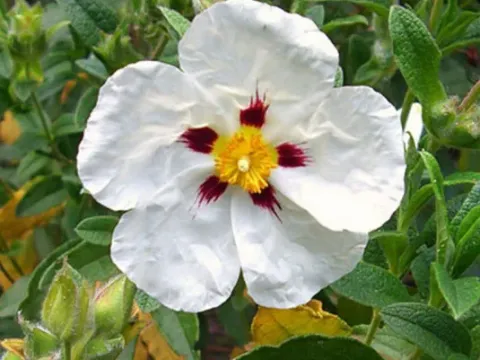
Cistus loretii
Cistus loretii
Cistus loretii is primarily propagated through seeds or semi-hardwood cuttings. Seeds should be sown in a well-draining, lightweight medium during early spring, maintaining a temperature range of 18-20 degrees Celsius for optimal germination.
What the section contains
Cistus loretii
When using cuttings, select semi-hardwood material in late summer or early autumn. Place them in a mix of sand and peat to encourage root development before the onset of colder weather, ensuring high humidity is maintained.
Direct sowing in outdoor fields is recommended only in climates where extreme frost is non-existent. In regions with harsh winters, it is safer to start seedlings in containers that can be sheltered during the coldest months.
Seed depth is critical; they should be barely covered with soil, no more than 0.5 centimeters deep. Excessive burial can prevent the seeds from breaking dormancy or lead to rotting due to moisture entrapment.
Seedlings should be pricked out into individual pots once the second pair of true leaves appears. This practice promotes a robust root system, ensuring the young plants are hardy enough for transplantation to their final location.
Belonging to the Cistaceae family, Cistus loretii is a resilient hybrid perfectly adapted to its Mediterranean origins. It thrives in full sun, which is essential for stimulating the production of its characteristic aromatic resins and essential oils.
The crop demands excellent soil drainage. It prefers poor, stony, or sandy soils with a neutral to slightly acidic pH level. Heavy, waterlogged soils are the primary cause of crop failure and should be avoided at all costs.
As a drought-tolerant species, Cistus loretii requires minimal watering once established. Excessive irrigation can be counterproductive, leading to root rot and making the plants more susceptible to fungal pathogens.
The plant demonstrates moderate frost tolerance, surviving temperatures as low as -10 degrees Celsius for short durations. However, prolonged freezing conditions may require protective mulching or moving containerized plants to greenhouses.
Pruning is an essential maintenance task performed immediately after flowering. This practice keeps the shrubs compact, prevents them from becoming leggy, and promotes vigorous new growth for the next season.
Cistus loretii is commercially valued for the production of labdanum resin and essential oils. Yield potential is optimized by maintaining proper spacing and ensuring the shrubs reach their prime harvesting age, typically by the third year.
Harvesting for raw material is best conducted during dry, sunny weather when the concentration of essential oils on the foliage is at its peak. Mechanical harvesting techniques can be employed on large-scale plantations.
The extracted essential oil serves as a vital fixative in the fragrance industry. Its ability to stabilize volatile scents makes it a high-value commodity for perfume manufacturers globally.
In addition to fragrance production, the foliage is utilized in the pharmaceutical industry due to its rich content of polyphenols. Regular pruning cycles provide a steady stream of secondary raw material for medicinal purposes.
Finally, the crop holds significant ornamental value. Many nurseries cultivate Cistus loretii for the landscaping market, as the plant is highly sought after for its prolonged, attractive flowering and drought-resilient characteristics.
Fungal diseases are the primary threat to Cistus loretii, specifically root rot and various leaf spot diseases. These are almost always linked to poor drainage or excessive humidity in the growing environment.
Powdery mildew may occur if there is inadequate air circulation around the plants during periods of rapid temperature fluctuations. Proper spacing during planting is the most effective preventative measure.
Aphids and spider mites are the most common pests. They feed on the sap of young shoots, which can stunt the growth of the plant and reduce the yield of high-quality aromatic oils if not managed early.
Integrated pest management, including the use of neem oil or other organic-based insecticides, is recommended. Avoiding chemical pesticides is crucial to maintaining the purity of the aromatic resin produced by the plant.
Maintaining a clean plantation area by removing weeds prevents the buildup of pest populations and allows for better airflow. Regular monitoring ensures early detection of any health issues before they become widespread.