
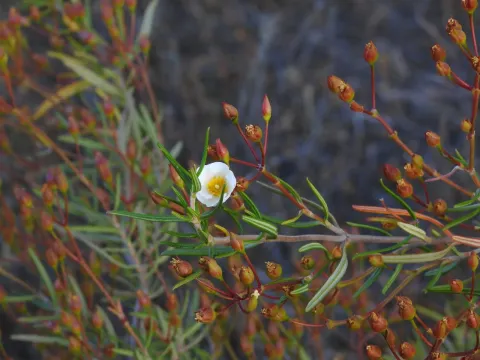
Cistus libanotis
Cistus libanotis
The sowing of Cistus libanotis is typically performed in early spring. The seeds require a period of cold stratification for about 4-6 weeks to break physiological dormancy and ensure uniform germination across the field.
What the section contains
Cistus libanotis
Seeds should be sown shallowly, ideally at a depth of 0.5 to 1 centimeter. Because Cistus seeds are light-sensitive, covering them with too much soil will significantly reduce the germination rate.
In large-scale farming, row spacing is set at 60-70 centimeters. This provides enough space for the plants to develop into robust, woody shrubs and allows for mechanical weeding and proper air circulation.
Alternatively, the greenhouse method is widely used to produce strong seedlings. Seeds are started in specialized trays and moved to the field after the danger of late frost has passed, usually in late May.
For direct seeding, using a specialized planter for small seeds is recommended to ensure consistent spacing and depth, which are crucial for minimizing gaps in the crop stand.
##requirements##Cistus libanotis is a hardy member of the Cistaceae family originating from Mediterranean climates. It thrives in full sun, which is necessary for the metabolic production of its characteristic aromatic resins.
Soil requirements are strict regarding drainage. This species performs best in poor, rocky, or sandy soils with a neutral or slightly alkaline pH. Waterlogging is the primary cause of crop failure.
The plant is highly drought-tolerant once established. It is an ideal candidate for cultivation in arid regions where irrigation resources are limited, as excessive watering often leads to root fungal issues.
Regarding temperature, it prefers mild winters and hot summers. While it can handle light frost, consistent exposure to severe cold may damage the younger tissues and reduce the overall yield of the crop.
Soil management should focus on maintaining a porous structure. Avoiding heavy fertilizers is key; the plant is well-adapted to nutrient-poor soils and over-fertilizing can negatively affect oil quality.
##yield##The primary economic focus of Cistus libanotis is the extraction of labdanum, a fragrant gum used in the fine fragrance and pharmaceutical industries. Harvesting occurs during the peak flowering stage.
A typical plantation starts yielding harvestable biomass in the second or third year. With appropriate pruning and care, a well-managed crop can remain productive for up to 8-10 years before requiring replanting.
Harvesting is usually carried out by trimming the tender, resinous shoots. This process is beneficial as it acts as a form of hedging, encouraging the shrub to develop a denser growth habit.
Post-harvest handling is critical. The biomass must be dried in a ventilated area away from direct sunlight to preserve the volatile compounds that define the value of the final product.
Secondary uses include ornamental horticulture. Its low maintenance requirements and attractive flowers make it a popular choice for rock gardens and erosion control on dry, sloped terrain.
##threats##Root rot caused by Phytophthora species is the most significant threat. It is almost exclusively triggered by high soil moisture levels or poor drainage, making soil management the primary defense.
Powdery mildew can appear if planting density is too high, leading to stagnant air around the foliage. Thinning the canopy and proper spacing are the best preventive measures for this condition.
Spider mites are the most common pests, especially in hot and dry climates. They feed on the sap and can significantly reduce the vitality of the plant if left untreated during peak summer heat.
Aphids may target new, succulent growth in the spring. While they rarely kill the plant, they can stunt growth and introduce secondary viral infections that lower the quality of the resin.
Weeds compete aggressively with young Cistus plants for sunlight and nutrients. Implementing gravel mulch can suppress weed growth and also help maintain the natural, arid environment the plant prefers.