
Cistus platysepalus
Cistus platysepalus
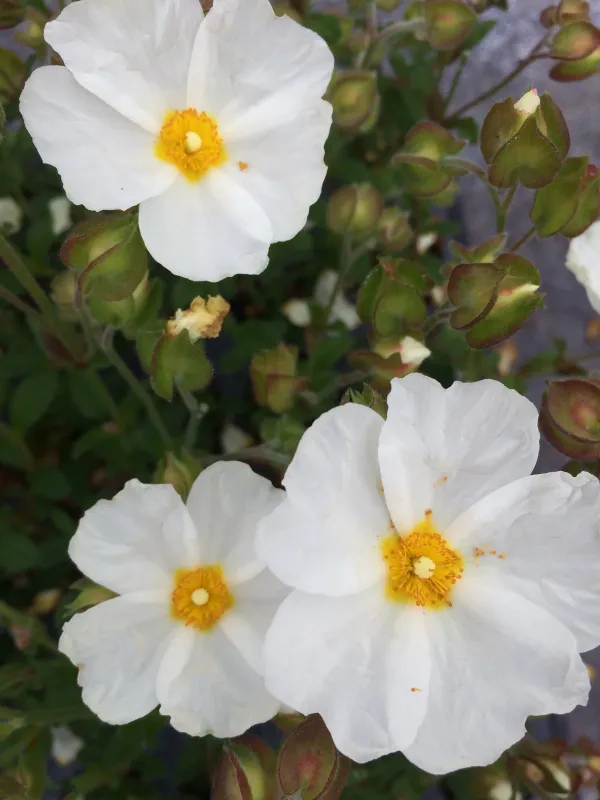
Description
Sowing dates
Sowing of Cistus platysepalus is typically performed in the spring when soil temperatures reach 15–18 degrees Celsius. For high-quality seedlings, it is recommended to use greenhouses or nurseries with excellent light exposure.
The seeds have a hard seed coat, which necessitates stratification or scarification to improve germination rates. These treatments help achieve uniform seedling emergence within two to three weeks of sowing.
When transplanting into the open field, maintaining appropriate spacing is crucial for ensuring adequate airflow through the shrubs. Planting at a distance of 50 to 70 centimeters between plants helps prevent fungal outbreaks.
The species can also be propagated using semi-hardwood cuttings planted in the late summer in a sandy-peat mix. This propagation method allows for faster development of mature plants ready for commercial harvest.
Selection of the planting site should prioritize maximum sun exposure, as this species is highly photophilic. Shaded conditions lead to spindly growth and a significant reduction in the essential oil concentration of the leaves.
Growing requirements
Cistus platysepalus belongs to the Cistaceae family and is a characteristic species of Mediterranean flora. It is naturally adapted to arid environments, often found growing on rocky or nutrient-poor soils in its native range.
The crop is highly demanding regarding soil drainage, as waterlogging is detrimental to its root system. It prefers light, sandy, or gravelly soils with a neutral or slightly acidic pH level.
Regarding climate, the plant is well-adapted to high summer temperatures and extended drought periods. It demonstrates high resistance to intense solar radiation and overheating of the root zone.
In temperate climates, the species requires protection from severe winter frosts. While the plant can tolerate brief freezing events, prolonged sub-zero temperatures may damage the delicate shoots.
Agronomic management involves minimal watering, as excessive moisture often triggers root rot. Fertilization should be moderate, focusing on potassium-based nutrients to strengthen plant tissues before the winter dormancy period.
Yield
The economic value of Cistus platysepalus lies in the extraction of valuable essential oils, known commercially as labdanum. Harvest usually takes place at the end of the flowering period when aromatic compound concentrations are at their peak.
Green mass yield is heavily dependent on plantation age and local climatic conditions. Mature shrubs aged 3 to 5 years provide the highest essential oil yield per unit area.
Industrial processing typically involves steam distillation or solvent extraction of the leaves and upper shoots. With proper care and maintenance, commercial plantations remain productive for 10 to 12 years.
Quality of the raw material is strictly dependent on harvest timing and drying conditions. Leaves must be dried in shaded, well-ventilated areas to prevent the loss of volatile components located in the glandular hairs.
Successful commercial cultivation requires rigorous weed management. High weed density significantly impacts yield and creates substantial obstacles for mechanized harvesting equipment.
Main diseases and pests
Fungal diseases of the root system, often caused by soil over-saturation, represent the primary threat to Cistus platysepalus. Phytophthora and various root rots are among the most frequently encountered pathogens.
Common pests include spider mites and aphids, which feed on young leaves and developing shoots. Regular monitoring of the plantation allows for early detection and targeted biological or chemical treatments.
The plant possesses inherent resistance to many typical agricultural pests due to the high concentration of essential oils and resins in its tissues. This facilitates integrated pest management strategies.
Poor ventilation within the plantation is a key factor promoting the spread of plant diseases. Proper spacing and occasional pruning of the shrubs are the most effective preventive measures against epiphytotics.
If signs of infection are detected, affected parts of the plant must be immediately removed and destroyed to stop the infection from spreading to healthy neighbors.