
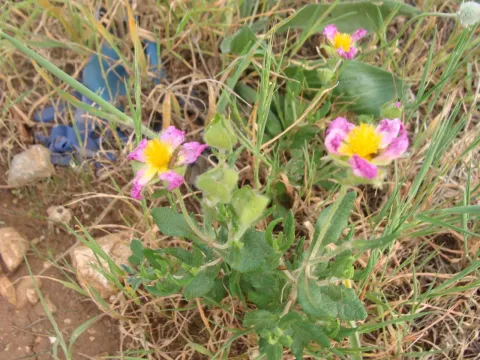
Cistus heterophyllus
Cistus heterophyllus
The propagation of Cistus heterophyllus is typically achieved through seeds sown in late winter within a controlled greenhouse environment. Seeds often require a period of stratification to break dormancy and ensure uniform germination rates across the tray.
What the section contains
Cistus heterophyllus
Once seedlings develop their first true leaves, they are pricked out into individual pots. Care must be taken to minimize root disturbance, as this species is particularly sensitive to transplant shock during its early stages of development.
Vegetative propagation using semi-hardwood cuttings is a widely preferred alternative for maintaining the genetic purity of the cultivar. Cuttings should be taken in late summer and placed in a well-draining sandy substrate to promote rooting.
Establishing the crop in the field requires well-prepared beds with excellent drainage. Planting should only occur once all risks of frost have passed to ensure the young plants have sufficient time to establish before winter.
Spacing between plants should allow for adequate airflow, which is critical for preventing fungal diseases in later stages. Proper planning at the sowing and transplanting phase significantly reduces maintenance efforts later.
Cistus heterophyllus belongs to the Cistaceae family and is a characteristic shrub of the Mediterranean region. It thrives in locations with high solar exposure and prefers poor, rocky, or sandy soil structures.
The most important environmental requirement is exceptional drainage. In soils where water tends to sit, this plant will suffer from root rot, which is the most common cause of failure in agricultural settings.
Regarding soil pH, the plant generally performs best in neutral to slightly acidic conditions. It is remarkably adapted to nutrient-poor soils, and excessive fertilization—especially with nitrogen—is often detrimental to its long-term health.
The climate must be mild, as the species is not naturally cold-hardy. In regions with harsh winters, protection or greenhouse cultivation is mandatory to ensure the survival of the crop during the dormant months.
Once established, the plant is highly drought-tolerant. Irrigation should be minimized after the first year, as excessive moisture can diminish the concentration of the aromatic resins for which the plant is valued.
The primary economic focus for Cistus heterophyllus cultivation is the harvest of biomass for the extraction of labdanum, a resinous substance used in fine perfumery. Yield is influenced by plant maturity and sunlight exposure.
Commercial productivity typically peaks starting from the third year of growth. The leaves and young shoots exhibit the highest concentration of essential oils when harvested just before or during the initial flowering phase.
Harvesters should aim to collect the green tips of the branches. Consistent yields are maintained through periodic, light pruning, which encourages the growth of new shoots that are richer in resin than older, woody stems.
Post-harvest processing must be efficient. The material should be dried in a shaded, well-ventilated area to prevent the degradation of volatile aromatic compounds that dictate the market value of the crop.
With correct management, a healthy plantation can remain productive for several years. The market for natural plant resins is stable, making this crop a viable option for specialized agro-industrial sectors.
Fungal pathogens represent the most significant threat to the crop, particularly powdery mildew, which can thrive if plants are overcrowded or if humidity levels remain too high for extended periods.
Root rot is the primary physiological threat, usually stemming from over-irrigation or planting in heavy clay soils. Ensuring a light, aerated soil medium is the best preventative measure against this threat.
Pests like aphids may occasionally colonize the plants, especially when the shrub is stressed. However, the presence of natural resins generally acts as a deterrent, limiting the need for intensive chemical pest control.
Mechanical damage from improper pruning can also invite disease. Tools should always be kept sharp and sterilized to prevent the spread of infections throughout the planting site.
By monitoring for early signs of discoloration or wilting, producers can manage most threats through localized pruning and adjustments to irrigation, avoiding the need for large-scale chemical applications.
The harvest cycle is timed to align with the peak resin concentration in the foliage. This usually occurs after the main flowering period, as the plant directs energy into its vegetative structures.
Using precise cutting techniques, the harvest is performed by removing the top layers of the shrub. This promotes a bushier growth habit, which increases the surface area for production in the subsequent season.
Speed is essential after harvesting; the biomass should be processed or dried immediately to lock in the chemical profile. Failure to dry the material properly can lead to fermentation, destroying the subtle notes of the resin.
Quality control is vital during the harvest. Stems that have become too woody should be discarded, as they offer little resinous yield and can dilute the quality of the final essential oil extract.
After the harvest, a gentle application of mineral fertilizer can assist the plants in recovering their energy reserves before the onset of the dormant winter season.