
Cistus inflatus
Cistus inflatus
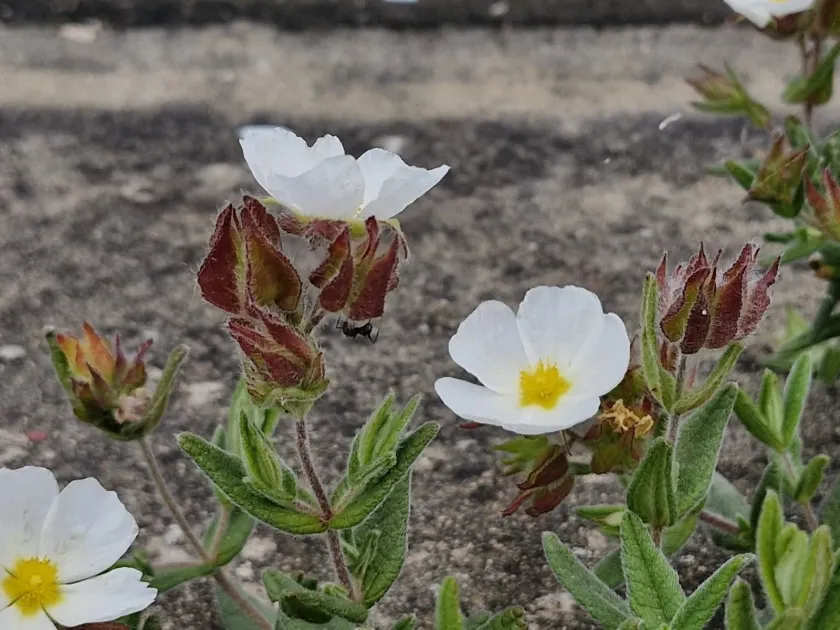
Description
Sowing dates
The sowing of Cistus inflatus seeds is primarily conducted in spring, once soil temperatures reach 15–18 degrees Celsius. To ensure uniform germination, seeds require a pre-sowing stratification period of 30–45 days at low temperatures.
The optimal time for transplanting seedlings into the field is late May, once the risk of late frost has passed. The crop grows slowly during its initial stages, necessitating weed-free seedbeds for successful establishment.
Planting patterns should accommodate the adult size of the bush, with rows typically spaced 60–80 cm apart. Seeds should be sown at a shallow depth of 0.5–1 cm, as they require light exposure to trigger germination processes.
In regions with mild climates, late-autumn sowing is an option, allowing seeds to harden naturally. However, this method requires rigorous protection against excessive soil moisture and rodent activity during the dormant months.
The application of growth regulators can accelerate germination rates. Utilizing high-quality seeds is vital for developing a robust root system capable of enduring the arid conditions typical of the plant's natural habitat.
Growing requirements
Cistus inflatus is a sun-loving plant belonging to the Cistaceae family and requires maximum exposure to sunlight to facilitate the accumulation of essential oils. South-facing slopes are the ideal location for commercial cultivation.
The plant thrives in nutrient-poor, rocky, or sandy soils with excellent drainage. Excessive moisture and waterlogged root zones are detrimental; therefore, raised beds are necessary when cultivating on heavier clay-based soils.
Soil pH should range from slightly acidic to neutral. The crop exhibits significant drought tolerance, allowing for cultivation in arid regions without the need for additional irrigation once the plants have established their root systems.
The ideal temperature range is moderate to warm, though the plant can tolerate short periods of cold. In harsh winter conditions, light protection is recommended, especially for young seedlings that remain sensitive to soil freezing.
Fertilization must be kept to a minimum, as nitrogen excess stimulates vegetative growth at the expense of secondary metabolites. Spring application of wood ash or potassium-based micronutrients is beneficial for overall plant health.
Yield
The commercial utility of Cistus inflatus stems from the harvest of foliage and stems, which are rich in resins and essential oils. Green matter yield is directly linked to plantation maturity and plant population density.
Productivity remains low during the first two years as the plant invests energy into root development. A full industrial yield can be expected starting from the third year of the plantation's life cycle.
Raw material collection is timed to coincide with the peak flowering phase, when the concentration of bioactive compounds in the leaves and stems is highest. This is the period when essential oils are at their most chemically potent.
Average yield per hectare varies significantly based on planting density and annual climate fluctuations. With proper agronomic management, the plantation can sustain stable yields for 7–10 years without requiring renewal.
To ensure high quality, harvested material must be dried immediately in a shaded, well-ventilated area. This prevents enzymatic reactions that could otherwise degrade the labdanum resins and impact the final product quality.
Main diseases and pests
The primary threat to this crop involves fungal diseases of the root system, often triggered by excessive humidity. Root rot leads to rapid wilting and plant death, making strict moisture control the most important preventive measure.
Pests such as spider mites may affect foliage during particularly dry periods. Regular monitoring and the application of environmentally friendly insecticides help keep pest populations below the economic threshold of damage.
Larvae of certain soil-dwelling insects can damage the roots of young plants during their active growth phase. Seed dressing and strict crop rotation protocols significantly reduce the risk of localized infestations within the plantation.
Powdery mildew may occur in overcrowded plantations with poor airflow. Improving ventilation and removing infected plant tissue are effective ways to stop disease spread without relying on aggressive chemical fungicides.
Consistent weeding is critical, as weeds compete for nutrients and serve as vectors for pathogens and pests. A holistic approach to field hygiene is the best strategy for ensuring long-term plantation health.
Harvesting
Harvesting Cistus inflatus is performed either manually or mechanically using specialized pruning shears. Stems are cut approximately 15–20 cm above the ground, a practice that encourages the regrowth of young, vigorous shoots.
Choosing the correct time of day for harvest is crucial. Working in the early morning, after the dew has evaporated but before the heat of the midday sun, helps preserve the maximum content of volatile aromatic oils.
Post-harvest, the raw material must be transported quickly to the processing or drying facility. Delays can cause the biomass to heat up, resulting in the loss of volatile essential oils prized in the fragrance industry.
Sorting is essential to remove foreign debris, dry foliage, and damaged parts that could lower the overall batch quality. Meticulous cleaning is a mandatory step before the material is ready for market.
Dried Cistus must be stored in cool, dry, and well-ventilated warehouses. Using kraft paper or fabric bags prevents molding and ensures that the aromatic properties are preserved for extended periods.