
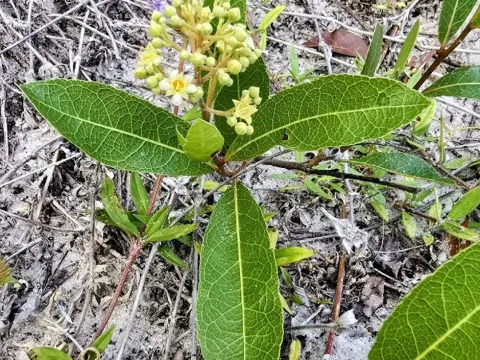
Chrysobalanus oblongifolius
Chrysobalanus oblongifolius
Chrysobalanus oblongifolius is an evergreen shrub belonging to the Chrysobalanaceae family. In the wild, seed propagation occurs after the fruits ripen and land in suitable soil conditions. For cultivation, seeds require either stratification or immediate sowing in warm, moist, well-draining soil.
What the section contains
Chrysobalanus oblongifolius
In nursery production, stem cuttings are more commonly used as this method effectively preserves the desirable traits of the parent plant. Planting in the field should be done in the spring, after the risk of frost has passed, ensuring the plant has enough space to establish a strong root system.
When growing from seeds, it is essential to maintain a stable substrate temperature between 22 and 25 degrees Celsius. Germination may be irregular, so utilizing light peat-based mixes amended with perlite is highly recommended for best results.
Young seedlings require shading during their first year, as intense, direct sunlight can cause significant leaf scorch. Transplanting to a permanent location should be performed using the transfer method, taking care to keep the root ball intact to minimize stress.
Planting density depends on the intended use: spacing of up to 1.5 meters is maintained for hedges, while a minimum of 3 meters between plants in a row is necessary for orchard-style fruit production.
This crop prefers sandy or loamy soils typical of the coastal regions in the southeastern United States. It shows high tolerance to nutrient-poor soils, although it responds favorably to applications of organic fertilizer for better vegetative growth.
The plant is light-loving; therefore, placement in open, well-lit areas is required for full development and the initiation of flower buds. In shaded environments, the shrub tends to become leggy and shows a significant reduction in overall productivity.
A key requirement is soil pH: Chrysobalanus thrives in slightly acidic to neutral soils. Excessive lime content can cause chlorosis of the leaves and may lead to stunted growth of the new shoots.
The species exhibits high drought resistance thanks to the stiff, leathery structure of its leaves, which minimizes transpiration. Nevertheless, regular watering during the active growth phase significantly enhances fruit quality and size.
The plant does not tolerate prolonged freezing temperatures. The optimal temperature range for vegetative growth is between 18 and 30 degrees Celsius, which limits its widespread industrial cultivation to tropical and subtropical climates.
The fruits of Chrysobalanus oblongifolius are small drupes, valued locally for their unique sweetish taste. While large-scale industrial production is limited, wild stands are frequently harvested as a reliable food source in their native range.
The yield of a mature shrub depends on the age of the plant and specific climatic conditions of the season. In favorable years, the plant is capable of producing a heavy crop that ripens progressively over the course of several weeks.
To improve the marketable yield, it is recommended to perform formative pruning aimed at removing old, unproductive branches. This practice encourages the growth of new, vigorous shoots where the majority of the next season's crop will be borne.
The fruits are suitable for fresh consumption or processing into jams, jellies, and various confectionery products. A crucial factor in yield is the presence of insect pollinators, as the plant's flowering attracts a variety of bees and other beneficial entomofauna.
Harvesting is usually done selectively as the fruits reach their characteristic color and softness. Due to their limited shelf life, fruits should be processed or consumed within 24 to 48 hours after being picked from the shrub.
Common diseases for Chrysobalanus include fungal infections of the foliage, typically triggered by excessive humidity during prolonged rainy periods. Symptoms manifest as various leaf spots, which may require the application of copper-based fungicides to manage.
Among pests, scale insects and mealybugs represent the greatest threat, as they feed on the sap of young shoots and leaves. Infestations are often linked to a weakened plant immune system caused by poor management or improper agricultural practices.
Root rot may occur in areas with poor drainage where water accumulates near the root collar. To mitigate this risk, it is necessary to install drainage ditches or create raised planting mounds in soils with poor water permeability.
During hot, dry periods, spider mites can cause damage, leading to premature leaf drop if populations become excessive. Pest control is best achieved using biological agents or horticultural mineral oils during the early stages of infestation.
Disease prevention relies on maintaining a clean area around the base of the plant, timely removal of dead branches, and ensuring proper air circulation within the canopy through regular, strategic pruning.