
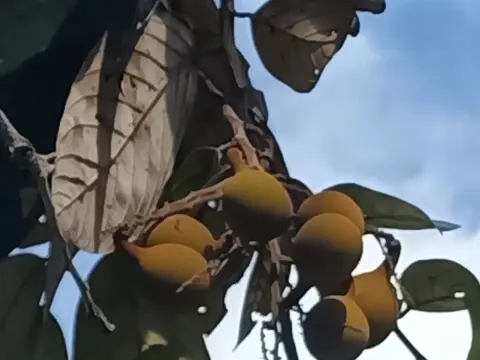
Licania
Licania
Licania is a genus of trees and shrubs belonging to the Chrysobalanaceae family. These plants are native to the tropical regions of the Americas, thriving in diverse rainforest and savannah environments.
What the section contains


Licania
The crop requires a tropical climate characterized by consistently high temperatures and significant annual rainfall. It lacks tolerance for frost and cold snaps, making it strictly suitable for equatorial and tropical zones.
Optimal growth occurs in well-drained, nutrient-rich soils. The plant demonstrates sensitivity to waterlogged conditions, requiring careful site selection or the implementation of drainage systems to prevent root rot.
Agricultural management involves monitoring soil fertility and ensuring adequate spacing to facilitate air circulation. While some species exhibit tolerance to shade, full sunlight is generally preferred for maximizing fruit and seed production.
Industrially, certain Licania species, such as Licania rigida, are cultivated for their seeds, which are rich in high-quality oils. These oils are prized for their drying properties, making them essential in the production of high-grade varnishes and paints.
Fungal pathogens remain the primary biological threat to Licania plantations, particularly those thriving in humid, poorly ventilated environments.
Various insect pests, including wood-boring beetles and fruit-attacking larvae, can significantly reduce the viability of the harvest and overall tree health.
Soil-borne diseases are a recurring risk when plants are grown in heavy or poorly drained soils, leading to root decay and decreased yields.
Weed infestation during the early establishment phase is a critical issue that necessitates consistent manual or mechanical intervention.
Integrated pest management strategies focusing on canopy sanitation and biological control are recommended to minimize chemical reliance in commercial orchards.