
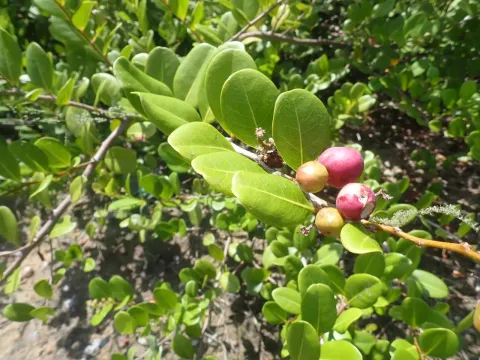
Chrysobalanus
Chrysobalanus L.
Chrysobalanus, commonly known as the coco plum, is propagated mainly through seeds or semi-hardwood cuttings. Seeds should be sown in a well-drained, nutrient-rich soil mix immediately after extraction from the fruit, as they lose viability rapidly if allowed to dry out.
What the section contains

Chrysobalanus
Germination typically takes between four and eight weeks, depending on substrate temperature, which should be maintained at 25–28 degrees Celsius. Scarification of the tough endocarp can significantly speed up the emergence of seedlings.
For vegetative propagation, cuttings are rooted under high humidity and warm conditions. The application of root-promoting hormones is recommended to increase the success rate of young plants in nursery settings.
Transplanting to a permanent location is best performed at the onset of the rainy season, ensuring that young plants receive consistent water while their root systems adapt to the native soil environment.
Planting density depends on the intended use: commercial orchards typically follow a 4 by 4-meter spacing, which optimizes light penetration through the canopy and facilitates mechanical maintenance of the inter-rows.
This crop belongs to the Chrysobalanaceae family and is native to tropical regions of America and Africa, naturally thriving in coastal sandy soils. It demonstrates exceptional tolerance to saline soil conditions.
The plant is highly light-demanding, requiring full sun exposure throughout the growing season to produce a substantial harvest. Shading results in diminished fruit yield and spindly, weak stem growth.
Chrysobalanus is sensitive to cold and does not tolerate frost, which can kill even mature specimens. The optimal temperature range for healthy growth and development is 20–35 degrees Celsius.
While the plant thrives in well-aerated, free-draining soils, it has adapted to withstand periodic flooding in its natural coastal habitats, showing versatility in soil moisture tolerance.
For sustained health and vigor, applying balanced mineral fertilizers containing essential micronutrients is recommended during active growth phases, especially when grown in impoverished sandy substrates.
Fruit production typically begins 3 to 4 years after planting in a permanent location. Productivity increases significantly as the shrub matures, reaching its peak between the 7th and 10th years.
A mature tree can yield several dozen kilograms of fruit per season, though yields vary greatly based on light exposure, soil moisture, and overall cultural management practices.
The fruits are round drupes, with size and skin color varying from white to deep purple, depending on the specific cultivar and the physiological maturity of the fruit at harvest time.
The pulp is succulent and sweet with a mild astringent finish, making it highly suitable for both fresh consumption and commercial processing into jams, jellies, and preserved goods.
Regular pruning is vital for shaping the plant into a compact bush, facilitating harvest access, and improving air circulation, which helps maintain high-quality fruit production.
The primary threats to young orchards include leaf-chewing insects and various scale insects that can sap the vitality of the plant by feeding on young stems and leaves.
Under conditions of high air humidity and poor ventilation within the canopy, the crop may be susceptible to fungal diseases such as powdery mildew or various leaf spot pathogens.
Root rot issues can occur if the soil remains waterlogged for extended periods in combination with cooler temperatures, necessitating careful irrigation management in nurseries and greenhouses.
Preventative maintenance, including regular inspections and the sanitary removal of diseased branches, is essential to minimize the infection pressure and maintain orchard hygiene.
Pesticide and fungicide use should be strictly restricted during the fruiting phase, with an emphasis on integrated pest management and sustainable cultural practices to ensure food safety.
Harvesting Chrysobalanus is a labor-intensive process, usually performed by hand over several passes, as fruit ripening is asynchronous across the plant throughout the season.
Maturity is assessed by skin color changes, which vary by cultivar; the transition from pale yellow to dark blue or deep purple signals the optimal time for harvesting.
Freshly harvested fruits have a limited shelf life; therefore, immediate distribution or processing within 2–3 days is recommended to preserve optimal quality and appearance.
Transportation requires sturdy containers with adequate ventilation to prevent mechanical bruising of the soft skin and to mitigate the risk of mold growth due to ambient heat.
Storage of the harvested crop in a cool environment, ideally at 10–12 degrees Celsius, can help extend the marketability window without significant loss of nutritional or sensory properties.