
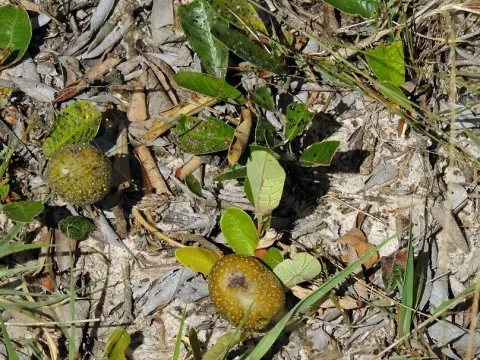
Parinari
Parinari
Parinari is a genus of evergreen trees and shrubs belonging to the Chrysobalanaceae family. These plants are widely distributed across the tropical regions of Africa, Asia, and the Americas.
What the section contains


Parinari
The plant prefers humid tropical climate zones with consistently high temperatures. It requires ample sunlight and does not tolerate significant shading during its early growth stages.
Parinari is relatively tolerant of various soil types but thrives best in deep, well-drained loamy soils. The ideal soil pH ranges from slightly acidic to neutral.
The culture exhibits high resistance to short-term drought periods, thanks to a deep taproot system that reaches into the lower soil horizons.
In commercial cultivation, trees often require shelter from strong winds, as the wood of certain species can be brittle when laden with a heavy fruit crop.
The primary economic use of Parinari centers on its edible fruits, which are consumed fresh or used in the production of jams, jellies, and refreshing beverages.
The seeds of several species contain significant quantities of fatty oils, which are utilized in local cosmetic and food processing industries.
Parinari timber is highly valued in construction due to its remarkable hardness and natural resistance to termite damage, making it a sustainable resource.
The bark of the tree has traditional medicinal applications, often used as an astringent agent and as an ingredient in various herbal decoctions.
Yield levels depend heavily on the specific regional climate and the maturity of the tree, reaching peak productivity when optimal moisture is maintained during flowering.
Key diseases affecting Parinari include fungal infections of the foliage, which typically develop under conditions of high humidity and poor air circulation.
Pests, such as fruit flies, can significantly reduce the market quality of the harvest by damaging developing ovaries during the ripening phase.
Root rot represents a serious threat in areas with waterlogged soil, frequently leading to premature wilting and the loss of mature specimens.
Integrated pest management, focusing on the preservation of natural predators, is an effective strategy for controlling harmful insect populations.
Consistent sanitary pruning is a critical cultural practice that minimizes the risk of infection spread throughout the canopy of the tree.
Harvesting Parinari fruit is performed manually once the fruit reaches its characteristic skin color and firmness, signaling peak physiological maturity.
Great care must be taken during the harvest as the ripe fruit has a delicate skin, which is susceptible to mechanical damage during handling and transport.
Post-harvest, the fruits require immediate distribution or processing because they have a limited shelf life under ambient tropical conditions.
Professional plantations implement rigorous sorting based on size and ripeness to create standardized batches for local markets or export.
Utilizing modern packaging techniques, combined with controlled temperatures between 10 and 12 degrees Celsius, helps maintain fruit freshness for longer periods.